Puebla
State

Puebla

Where History Simmers Slowly

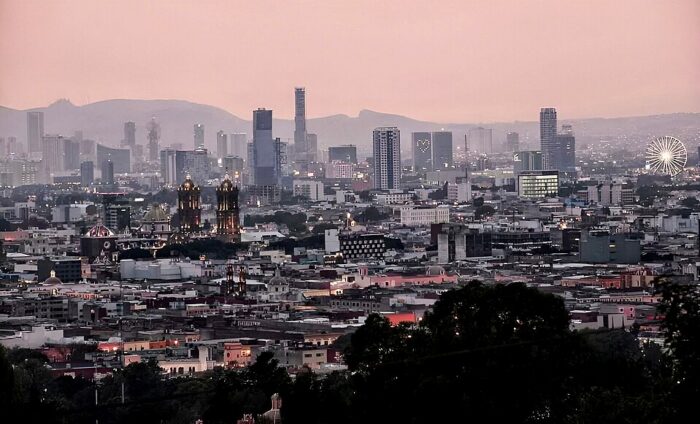
Puebla is a place best understood through the senses. Streets unfold like chapters of a long story, and every dish carries layers of memory shaped over centuries. Located in central Mexico, the state sits at a natural crossroads of trade routes, cultures, and landscapes: fertile valleys, mist-covered mountain ranges, imposing volcanoes, and colonial cities that seem anchored in time. Its capital, Puebla, is a UNESCO World Heritage Site recognized for its refined baroque architecture, an extraordinary concentration of churches more than 300 by local countand a remarkably preserved colonial grid. Yet Puebla extends far beyond its capital. The state is divided into regions with distinct identities, such as the Sierra Norte, the Mixteca, and the Atlixco Valley, each defined by its own rhythms, traditions, and flavors. Puebla is also the birthplace of one of Mexico’s most intricate culinary traditions. Mole poblano, chiles en nogada, pipian sauces, and a lesser-known but deeply rooted coffee culture all reflect the blend of Indigenous knowledge and colonial history. Add to this a network of pueblos magicos, lively markets, living Indigenous rituals, and landscapes that shift with the light, and Puebla reveals itself as a destination meant to be explored slowly and remembered long after.


Why to Visit

Because Puebla is the perfect synthesis of the European and the American. To visit is to understand that Mexico is a nation built on layers of faith, volcanic stone, and a gastronomy that has been declared Intangible Cultural Heritage of Humanity.

Key Destinations

Puebla

Puebla de los Ángeles

Puebla

Cholula

Puebla

Cuetzalan

Puebla

Atlixco

Puebla

Zacatlán

The Signature Experience

Sol y playa en el Caribe mexicano
Puebla

Hiking and volcanic landscapes

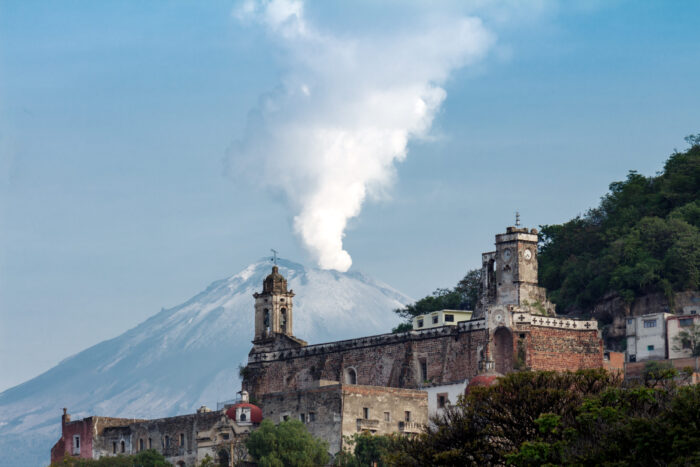
Between Iztaccihuatl and Popocatepetl, trails climb into a high-altitude world of pine forests, thin air, and wide silences. The landscape is monumental, its power comes from scale, temperature shifts, and the steady presence of Mexico’s most iconic volcanoes.

Sol y playa en el Caribe mexicano
Puebla

Religious architecture and New Spanish baroque

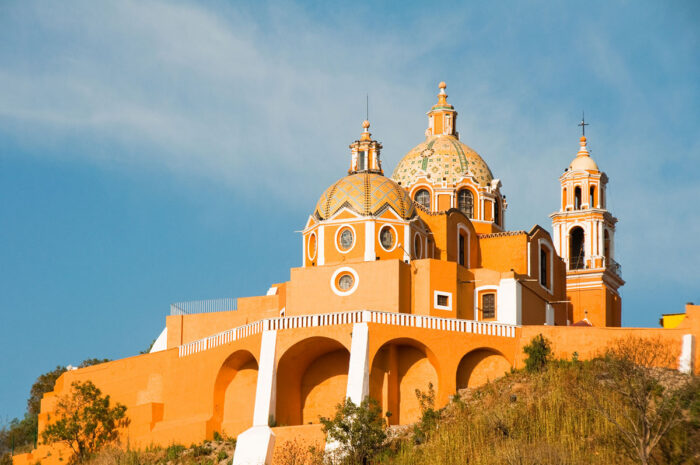
In Puebla and nearby Cholula, faith has been built into the skyline. Domes rise above the city grid, while ornate facades and gilded altarpieces reveal a baroque tradition known for its visual intensity and symbolic detail.

Sol y playa en el Caribe mexicano
Puebla

High-altitude coffee culture

In the Sierra Norte, coffee grows where the air stays cool and the landscape is often wrapped in fog. Around Cuetzalan and the surrounding communities, highland beans are cultivated on steep, humid slopes, shaped by rich soils and Indigenous knowledge passed down through generations.

Sol y playa en el Caribe mexicano
Puebla

Pyramid Climbing

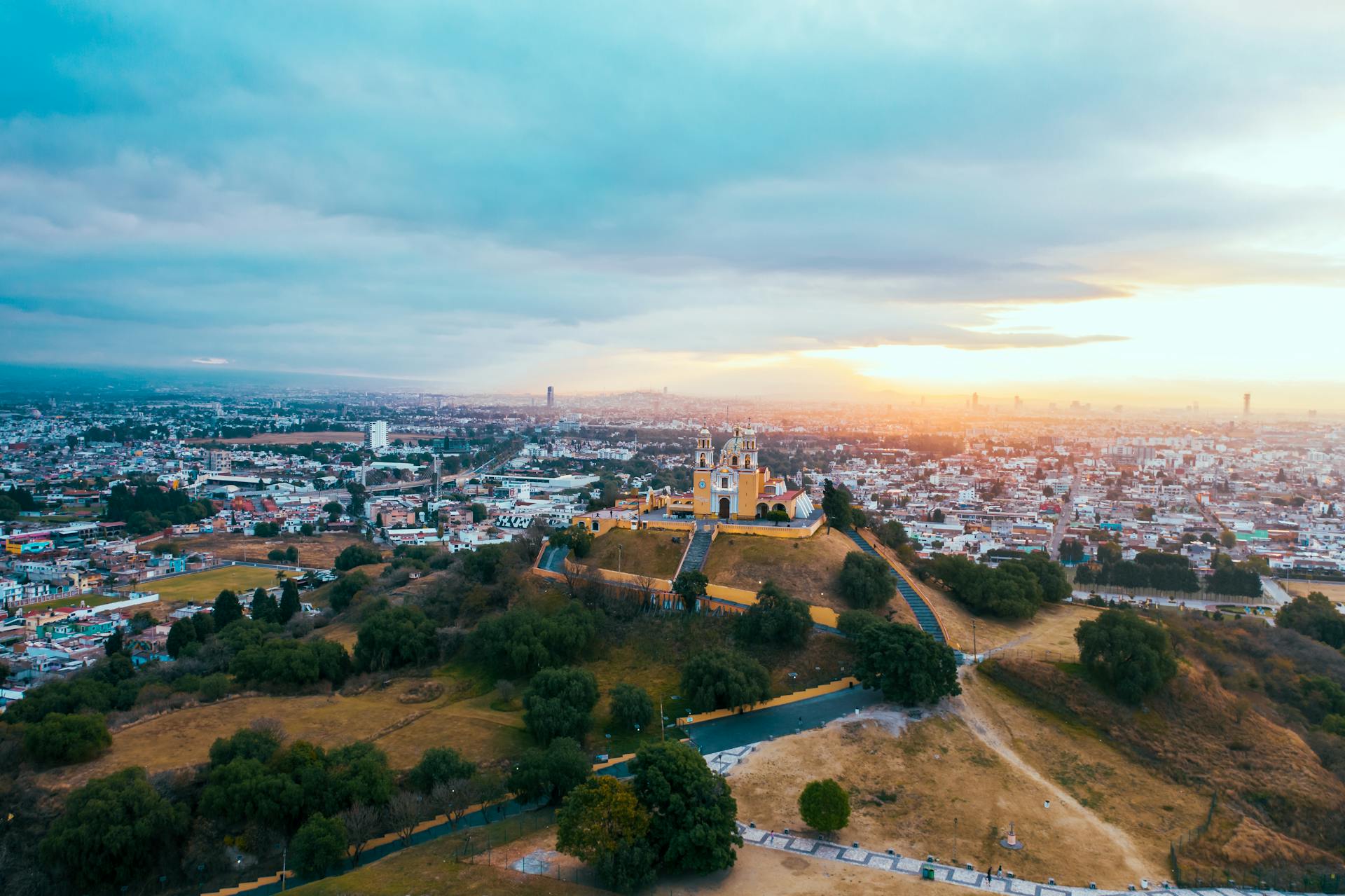
Climbing the Great Pyramid of Cholula is a physical way to understand pre-Hispanic Mexico—not as an abstract past, but as something still embedded in the land. What looks like a calm hill is actually the largest pyramid in the world by volume, layered beneath centuries of earth and history.

BEST FOR

Regional Vibes

Baroque Heritage & Culinary Origin Puebla is the Kitchen of Mexico. Its vocation is Gastronomic and Architectural. It is a city of tiles, churches, and complex flavors.

#The Flavor Traveler


Momentours

Holy Week Season in Puebla, Mexico

Holy Week

Monumental altars, candlelit processions, and Passion reenactments turn Puebla into one of Mexico’s most powerful Holy Week stages.

Spring bloom in Atlixco

Spring

Fields of color and ideal weather.

Patron saint festivals in the Sierra Norte

Indigenous rituals, dances, and traditional music.

Chile en Nogada Season

August – September

Travel toolkit

Temperate sub-humid. “Eternal spring” in the capital (average 54°F – 79°F / 12°C – 26°C), though nights can be chilly due to altitude. In the Northern Sierra (Cuetzalan), the climate is humid, misty, and fresh.

Airports: Hermanos Serdán International Airport (PBC), located in Huejotzingo, 40 minutes from the capital.

Connections: Direct flights from Houston, Cancún, Monterrey, and Tijuana.

Buslines: Connectivity with Mexico City (CDMX) is unbeatable. Estrella Roja and ADO buses depart directly from CDMX Airport (AICM) and the TAPO terminal to CAPU (Puebla Central) or the boutique terminal Paseo Destino (modern zone), with departures every 30 minutes.

In the Historic Center and Cholula, walking is mandatory. Uber and Didi are excellent for moving between zones (like going from Angelópolis to the Center). To visit the “Pueblos Mágicos” in the sierra, a direct bus or tour operator is recommended.


Cultural Roots

Important historic fact: Puebla was the first city in Mexico laid out ex nihilo (from scratch) by the Spanish in 1531. Designed as a Renaissance utopia exclusively for them, away from indigenous settlements, it is said its layout was dictated by angels in a dream.

Culinary Soul

Puebla’s cuisine is “conventual cuisine” par excellence. Here, the flavors that define Mexico were born, the fruit of the patience of nuns who mixed pre-Hispanic ingredients with Asian spices and European techniques.

Mole Poblano: Mexico’s most complex sauce, featuring over 20 ingredients including chocolate and chili peppers.

Chile en Nogada: The “patriotic dish,” a poblano pepper stuffed with sweet meat picadillo, bathed in walnut sauce and pomegranate seeds.
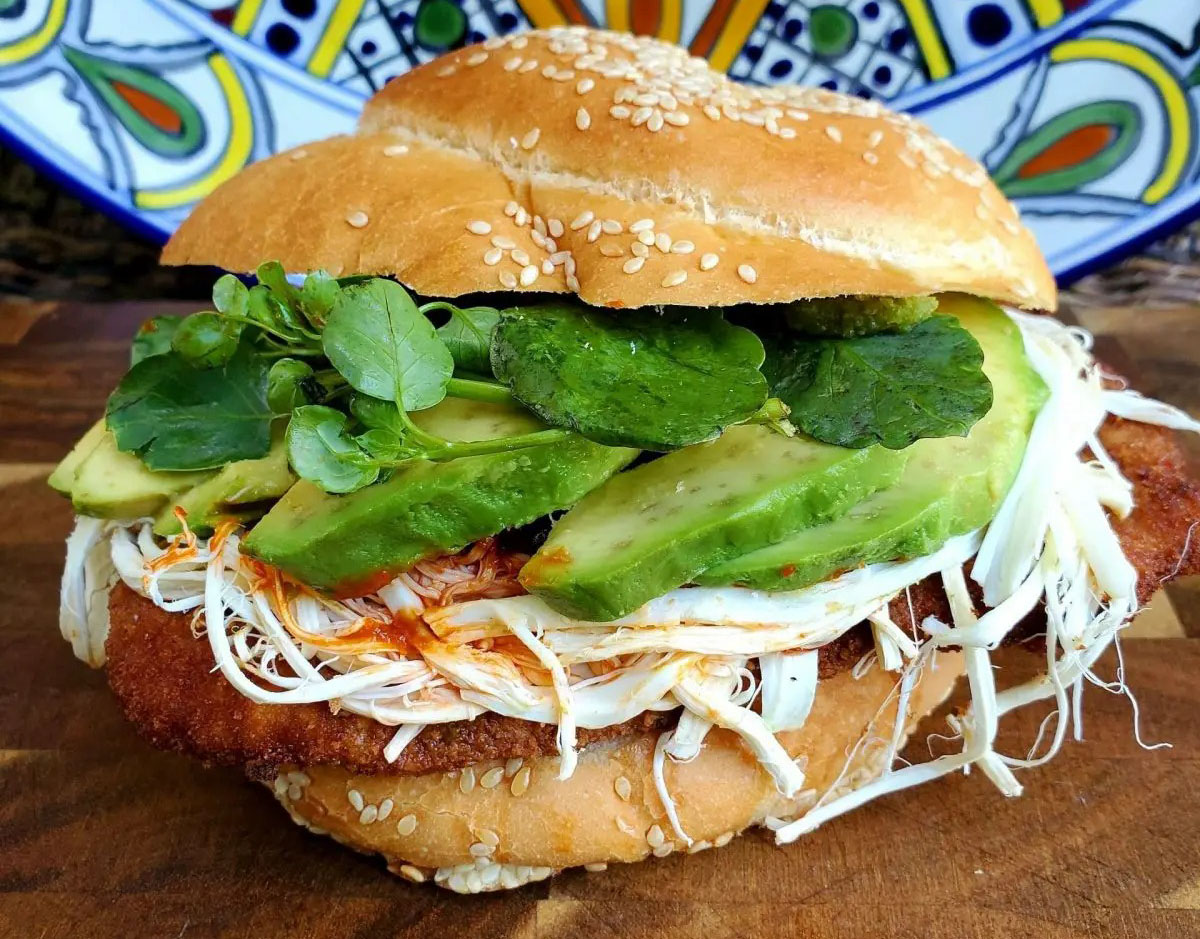
Cemita Poblana: A sesame seed bread roll filled with breaded cutlet (milanesa), string cheese (quesillo), and pápalo (a herb with an unmistakable strong flavor).

The Iconic Taco

The Local Bite

Taco Árabe

The father of the taco al pastor. Pork meat seasoned with Middle Eastern spices (Lebanese influence), roasted on a spit and served in “pan árabe” (pita-style bread) with chipotle sauce.