
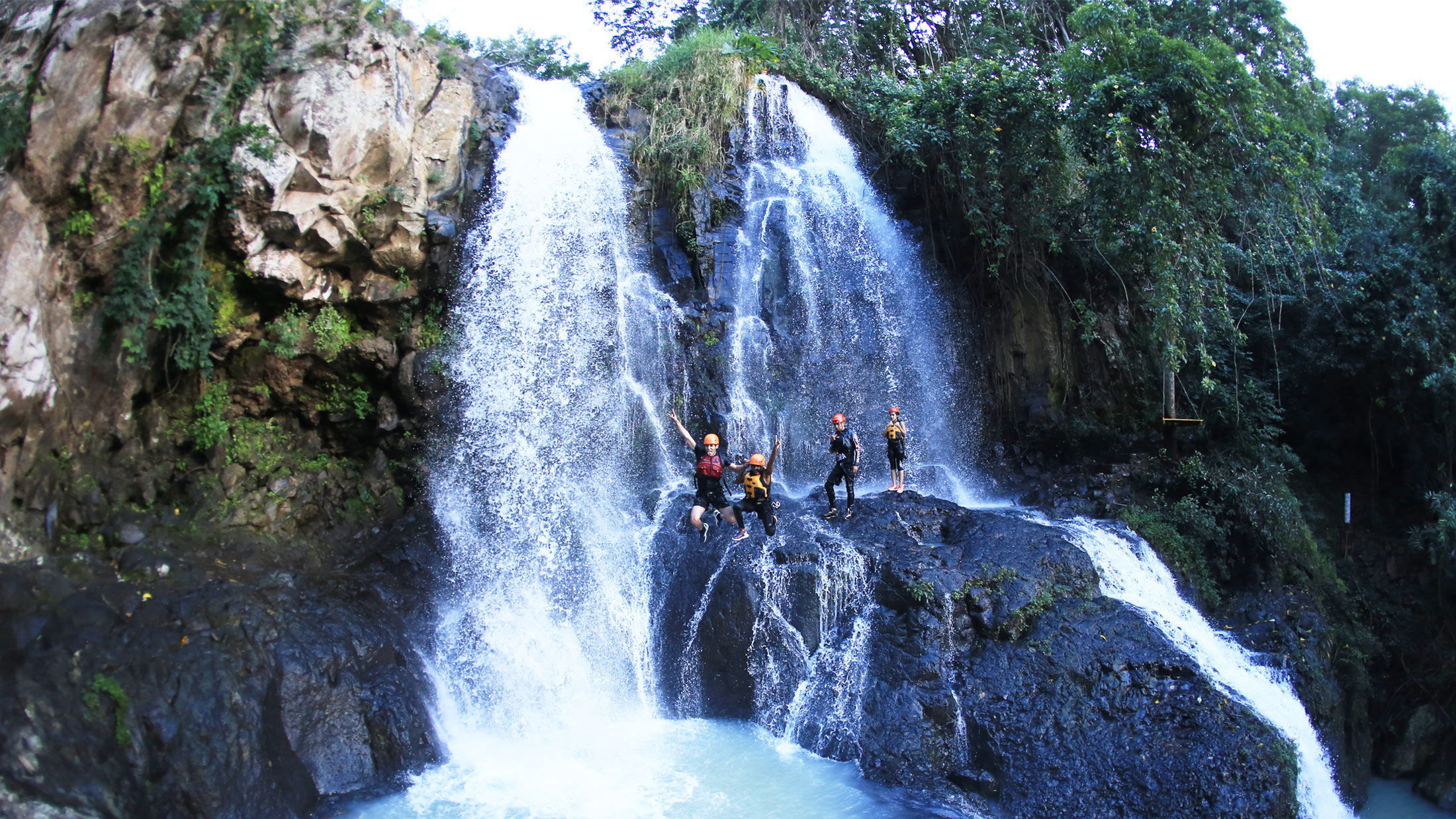
Nayarit
Where the Pacific Becomes Ritual and Nature Sets the Pace
Living beaches, creative towns, and sacred jungles come together in Nayarit, a destination meant to be felt, respected, and remembered. Nayarit unfolds with a sense of scale that is immediately felt. Here, the Pacific Ocean is not a backdrop but a central presence. More than 300 kilometers of coastline shape a living, ever-changing shore, where the sea shifts color throughout the day and beaches stretch far beyond the horizon. This is not poetic license. Nayarit is home to Playa El Novillero, the longest beach in Mexico, a near-endless ribbon of sand where long walks are not an option but part of the rhythm. The state is organized into regions that flow naturally into one another: the open Pacific coast, fertile valleys, and the Sierra Madre Occidental, which descends gradually until it meets the sea. Mangroves, estuaries, tropical forests, and mountain ranges overlap, creating one of Mexico’s most diverse natural mosaics. Nayarit is not defined solely by its beaches, memorable as they are, but by a broader sense of space, freedom, and direct contact with nature. Along the Riviera Nayarit, each beach has its own character. Some feel wide and untamed, shaped by wind and surf; others are quiet and sheltered, protected by the curves of the land. Within this varied coastline, Sayulita stands out. Once a small fishing village, it has grown into an international meeting point for surfing, art, and creative life, while still holding onto its communal spirit and unhurried pace. Nayarit’s depth is not measured only in coastal kilometers. Inland, in the highlands, lives the Wixarika culture, one of Mexico’s most enduring Indigenous traditions. Their worldview, rooted in a deep relationship with the deer, corn, peyote, and the sun, continues to shape the spiritual life of the region. Sacred routes, ritual art, and a respectful bond with the land are not presented as folklore, but remain a living presence that gives meaning to the landscape itself. Nayarit balances openness with depth. It is a place where luxury can mean an endless beach at dawn, a clean wave at sunset, or an unhurried conversation beneath a sky that still feels untouched.

Why to Visit
Because Nayarit unfolds with a sense of scale where nature sets the pace. It balances openness with depth, offering a place where luxury can mean an endless beach at dawn, a clean wave at sunset, or a quiet conversation beneath a sky that still feels untouched. It is a destination meant to be felt, respected, and remembered.
Key Destinations

Sayulita
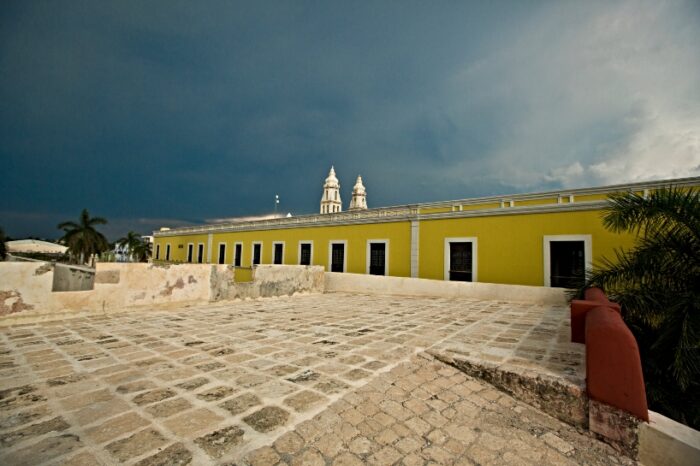
San Pancho (San Francisco)
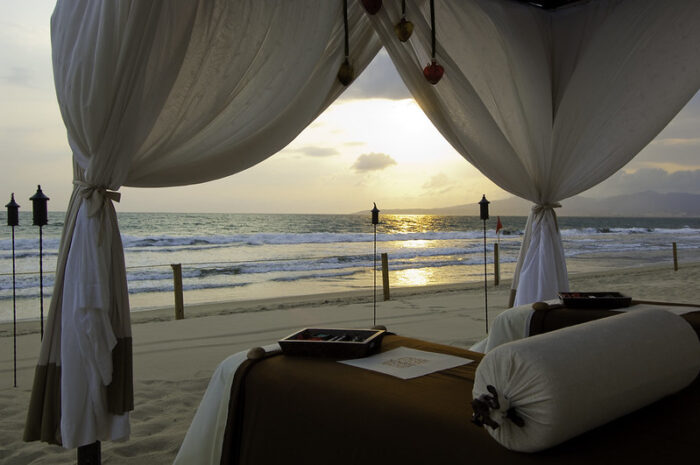
Nuevo Nayarit
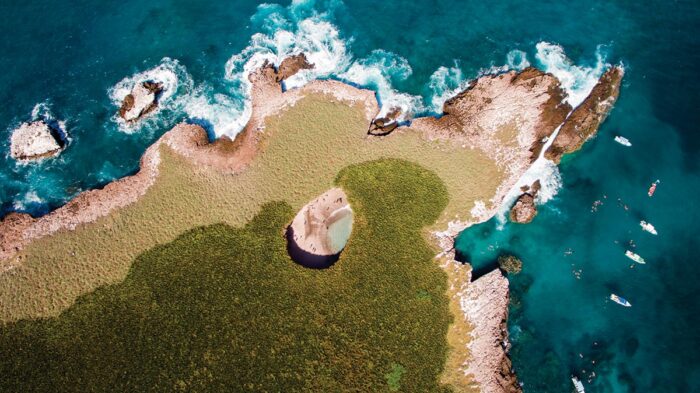
Islas Marietas
HIGHLIGHTS
The Signature Experience
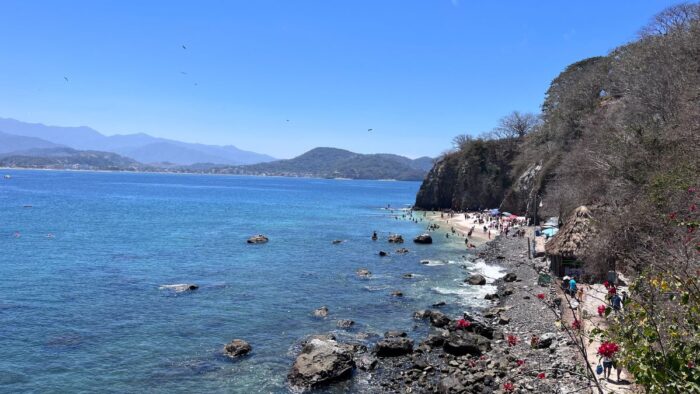
Swimming in a Calm-Water Island off Rincon de Guayabitos
Beyond its unmistakable beauty, Isla Coral holds an enigmatic attraction—one that sparks curiosity and makes you want to see it for yourself.
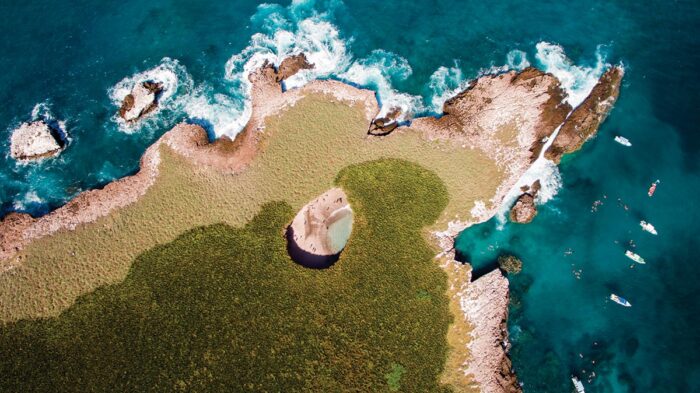
Protected Marine Nature
Snorkeling and kayaking in areas where marine biodiversity takes center stage.

Surfing the Riviera Nayarit
Waves for beginners and experienced surfers alike, supported by local schools and long, open beaches.
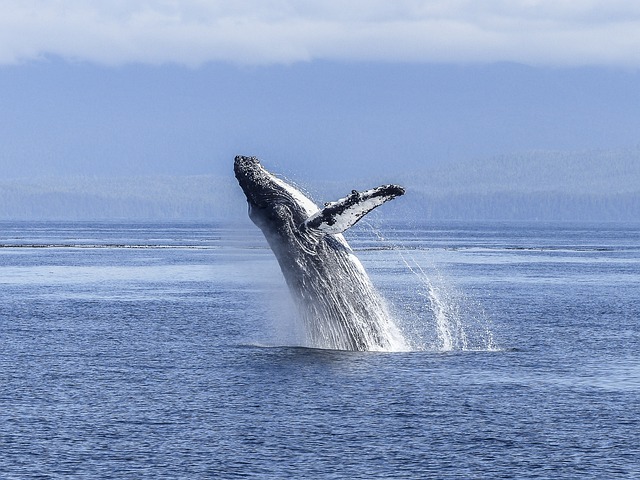
Whale Watching & Marine Safaris
Witnessing humpbacks in Banderas Bay and turtles in Escobilla.
BEST FOR
Regional Vibes
Boho-Chic & Nature Luxury Nayarit has branded itself as the “Riviera Nayarit,” offering a vocation of Eclectic Luxury. It successfully segments its coast into “Boho” (Sayulita/San Pancho) and “Ultra-Elite” (Punta Mita).
The Barefoot Luxury Traveler, The Bohemian Surfer
#The Barefoot Luxurian
Momentours
The Green Summer
Whale Watching in the Pacific
December – MarchOne of the best places in Mexico to observe whales from shore or by boat.
Whale season in Mexico
WinterEvery winter, Mexico’s Pacific coastline becomes a migration route—and a temporary home—for whales. From the protected lagoons of Baja California Sur to the open waters off Oaxaca, the season brings some of the best whale watching on the planet: breaches on the horizon, tails hitting the surface, and the sudden silence that follows a powerful exhale.
Travel toolkit
Nayarit stays warm most of the year with a tropical climate. The best season to explore is from November to May, when conditions are dry and mild. Summer brings higher heat, brief rains, and lush green landscapes.
Airports: Most travelers arrive via Puerto Vallarta International Airport (PVR), which offers immediate access to the southern Riviera Nayarit. Tepic (TPQ) also serves the state.
Types of transportation: Renting a car is highly recommended (and often key) for exploring the diverse beaches and coastal towns along the Riviera.
Living Heritage
Cultural Roots
Culture here is not a relic but a living dialogue with the land. Inland, the Wixárika (Huichol) people maintain a worldview rooted in a deep relationship with the sun, deer, and corn. Their sacred routes and ritual art are not folklore but a living presence that gives spiritual meaning to the landscape.
The state balances the ancient legacy of the Wixárika—one of Mexico’s most enduring Indigenous traditions—with the history of San Blas, once a vital colonial port on the Pacific.
Living Heritage
Cultural Roots
Pescado Zarandeado: The undisputed king of the table. Fresh fish is marinated with chiles and citrus, then slow-grilled over charcoal.
Shrimp Tostadas: Fresh, crisp, and defined by clean, marine flavors.
Aguachiles: Bold and refreshing raw shrimp dishes, perfectly suited to the warm coastal climate.