The Sea of Cortez Region
Region

The Sea of Cortez Region

Where the desert meets the sea and life flourishes

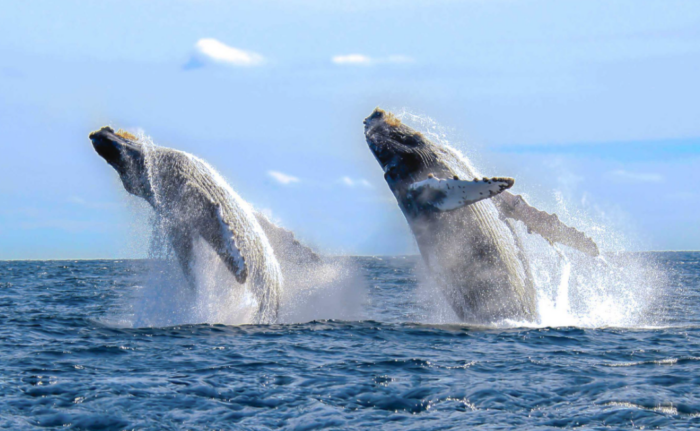
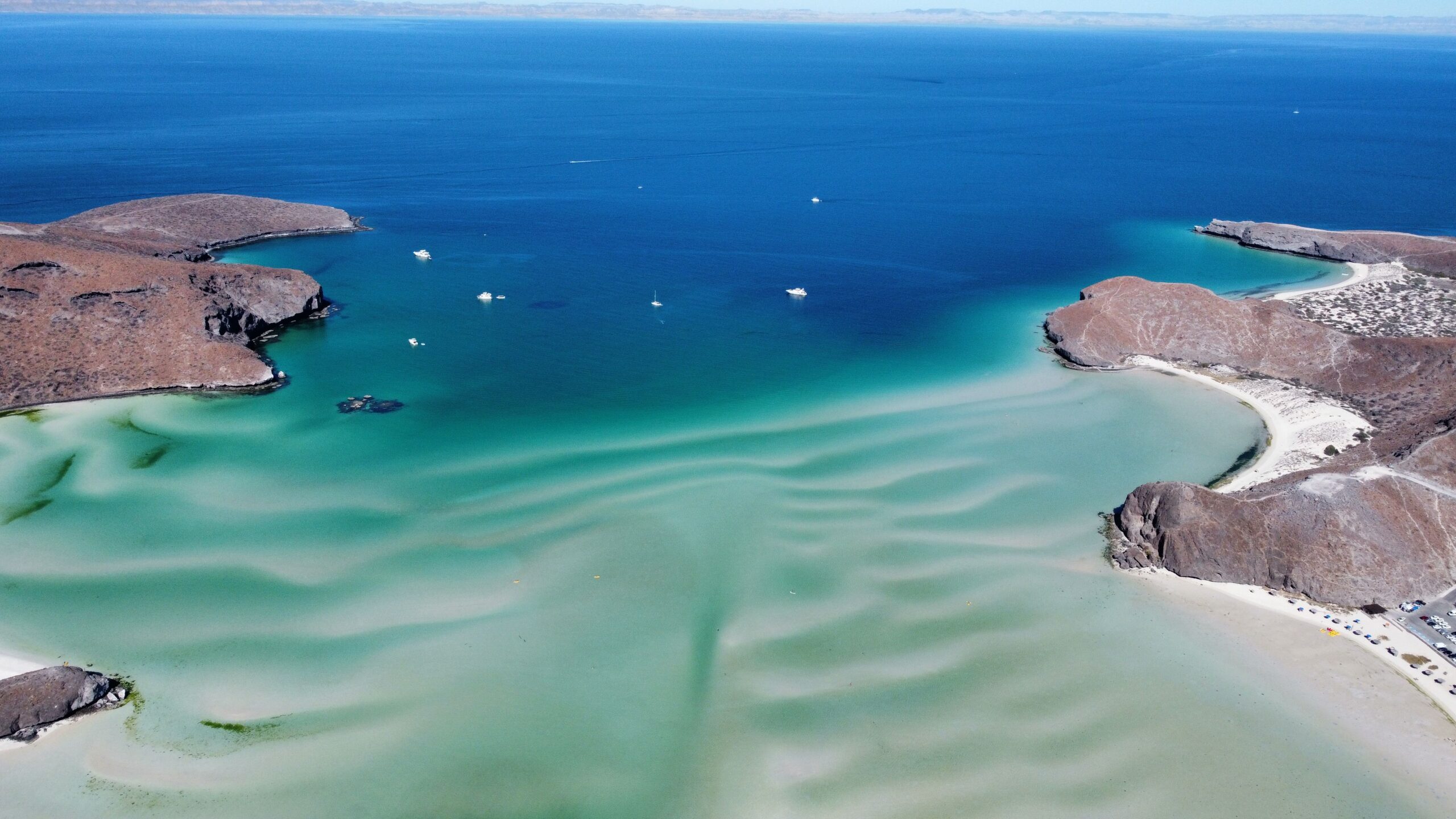
The Sea of Cortez Region it’s a revelation. Here, the landscape defies expectations of Mexico. A deep calm sea stretches before you, framed by golden deserts, rugged mountain ranges, and coastal towns that move to the rhythm of the tides. Jacques Cousteau famously called it the world’s aquarium, and one immersion is enough to understand why: whales, whale sharks, manta rays, sea lions, and hundreds of marine species share one of the planet’s richest ocean ecosystems.
Linking Baja California, Baja California Sur, Sonora, and Sinaloa, this region draws travelers in search of genuine experiences, sea explorers, nature lovers, curious food enthusiasts, and those who value silence as much as adventure. Here, a day can begin with a desert sunrise and end with a seaside dinner, where the catch goes straight from the panga to the plate.
The Sea of Cortez Region invites slow travel: paying attention, reconnecting with what matters. It’s a destination for thrill and contemplation alike; for understated luxury that remains deeply tied to land and sea.

Why to visit

The Sea of Cortez (Gulf of California) is a UNESCO World Heritage destination renowned as the “Aquarium of the World.” Spanning the coastlines of Baja California and Sonora, it offers unique travel experiences including swimming with whale sharks, exploring the Sierra de la Giganta, and enjoying Baja Med cuisine. It is the premier destination for travelers seeking a blend of desert landscapes and vibrant marine biodiversity.

We invite you to slow down, listen to the stories, and discover a country that feels as deep as it is beautiful.

The Signature Experience

Sol y playa en el Caribe mexicano
The Sea of Cortez Region

Exploring islands and protected natural areas

Sol y playa en el Caribe mexicano
The Sea of Cortez Region

Sea-to-table culinary routes

Sol y playa en el Caribe mexicano
The Sea of Cortez Region

Kayaking through protected islands

Sol y playa en el Caribe mexicano
The Sea of Cortez Region

Whale and marine wildlife watching

Sol y playa en el Caribe mexicano
The Sea of Cortez Region

Diving and snorkeling in the Sea of Cortez

BEST FOR

Regional Vibes

This region, defined by the collision of the Sonoran Desert and the Gulf of California, possesses a tourism vocation rooted in Elemental Contrast and Biological Wonder. It functions as the “Aquarium of the World,” attracting travelers who prioritize raw nature, marine biology, and high-impact gastronomic sourcing.

Traveler toolkit

Traveler toolkit

Climate: Dry and warm. Winter (Nov-Apr) is ideal, with temps around 18–25°C (64–77°F). Summer can reach 38°C (100°F). Water temp varies from 20°C in winter to 29°C in summer. Between desert and sea, the Sea of Cortez features a predominantly dry climate. The most recommended season is from November to April. In warmer months, temperatures range from 30–38 °C (86–100 °F); in winter, they drop to 18–25 °C (64–77 °F).
Getting There & Around: International airports: Los Cabos (SJD), La Paz (LAP), and Mazatlán (MZT). Ferries connect the mainland to the peninsula. The Sea of Cortez region is accessed via airports such as La Paz, Los Cabos, Hermosillo, or Mazatlan, as well as by road. To explore different coastlines and islands, renting a car and using boat transfers are essential; cities offer taxis and ride-hailing apps. Renting a car is essential for road trips; boat transfers are needed for island exploration.
Recommended stay: At least 7–10 days to combine sea, desert, and culture.

Cultural Roots

It confirms the culture is happening now, on the streets, not just in history books.

Important Historic Fact While the mainland was fighting empires, this region was shaped by the Jesuit Missions and the solitude of the desert. Loreto, the first capital of the Californias (founded in 1697), is the “Head and Mother” of all missions in Upper and Lower California. This isolation created the unique “Ranchero Sudcalifornio” culture—cowboys of the sierras who wear leather gear to protect against cactus thorns and have lived in self-sustaining harmony with the harsh landscape for over three centuries.

Culinary soul

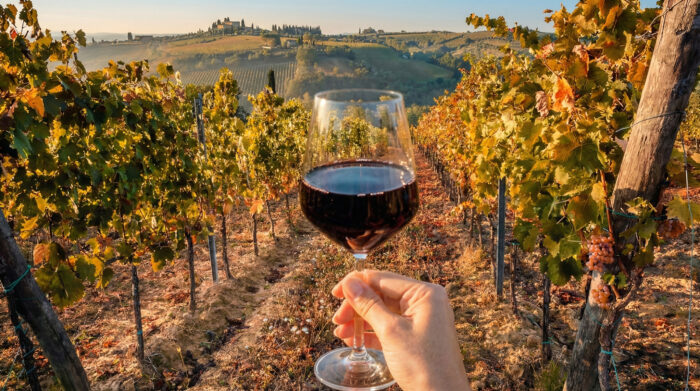
The culinary soul of the Sea of Cortez is born from the encounter between the desert and the deep, defined by an absolute obsession with freshness. It is a cuisine of elemental contrasts: the smoky mastery of fire in Sonoran carne asada sits alongside the ocean’s bounty, expressed in vibrant aguachiles, scallops, and the legendary Baja-style fish tacos. From the innovation of Baja Med cuisine and the vineyards of Valle de Guadalupe to traditional coastal recipes, every dish is a tribute to the generosity of these waters and the resilient identity of the north.


The Essential Flavor Almejas Tatemadas (Charred Chocolate Clams). This is more than a dish; it is a ritual of fire and earth. Endemic Chocolate Clams are buried in gravel and covered with dry romerillo brush, which is then set on fire. The clams cook in their own juices within the heated stones, absorbing a distinct smoky, mineral flavor that tastes like the desert meeting the sea.