

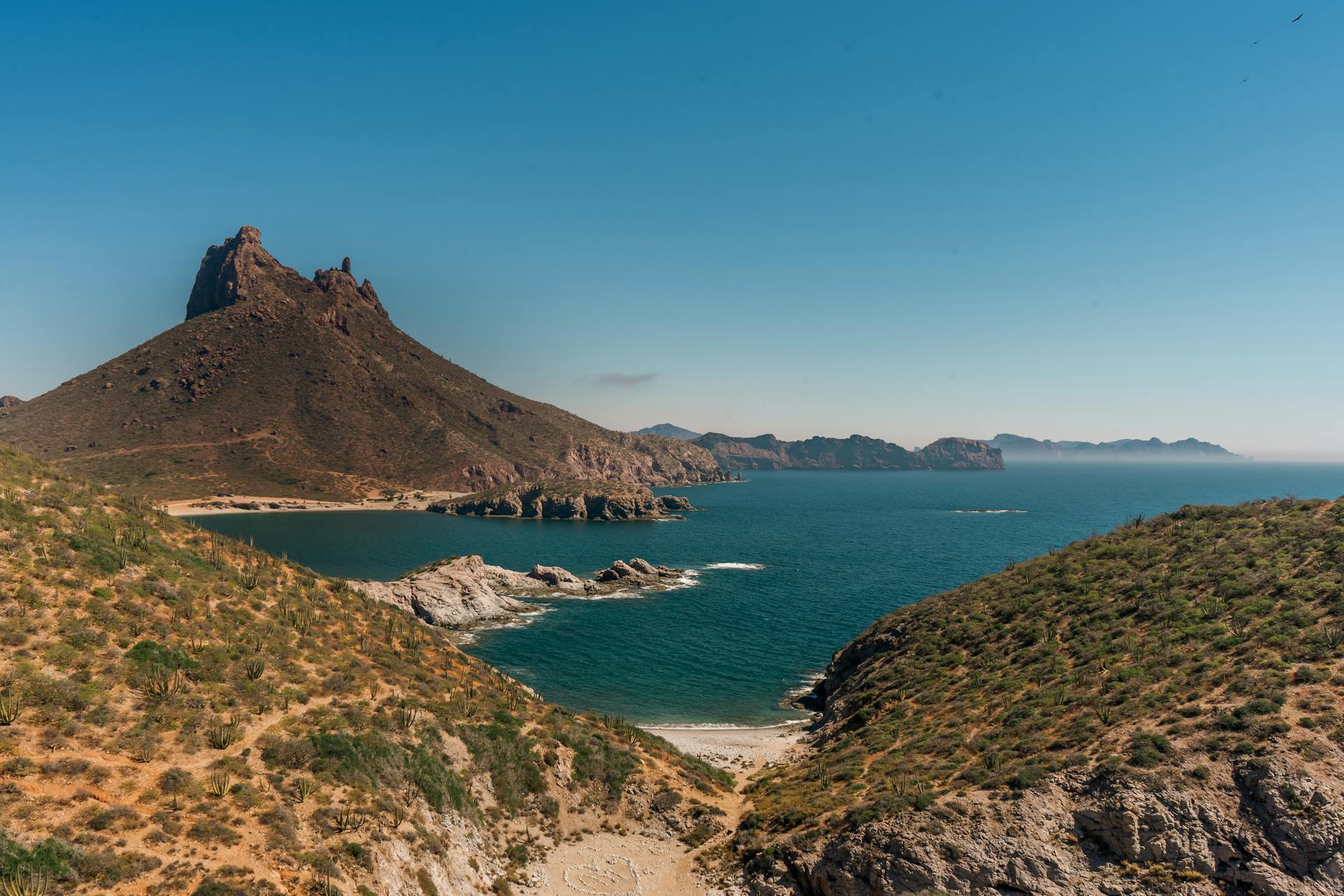
State
Sonora
Where desert meets sea
State Vibes
Why to Visit
Because it defies expectations. Sonora does not try to impress; it does so naturally. It offers unfiltered landscapes, living culture, and a direct, genuine hospitality. This is a destination for travelers who see travel as something lasting—where the land, the food, and the stories remain long after the journey ends.
Click any destination to explore
Explore
Key Destinations
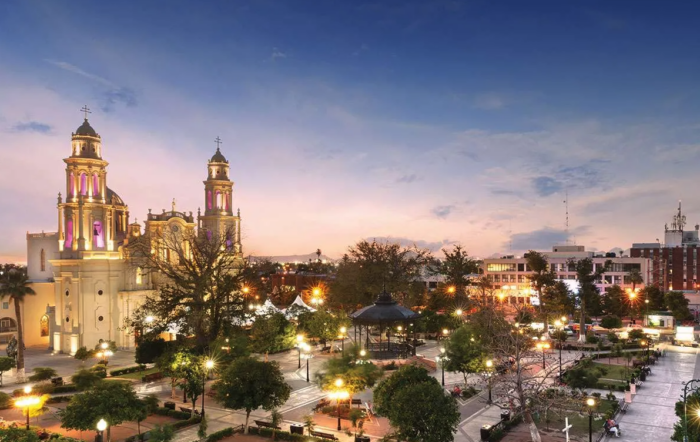
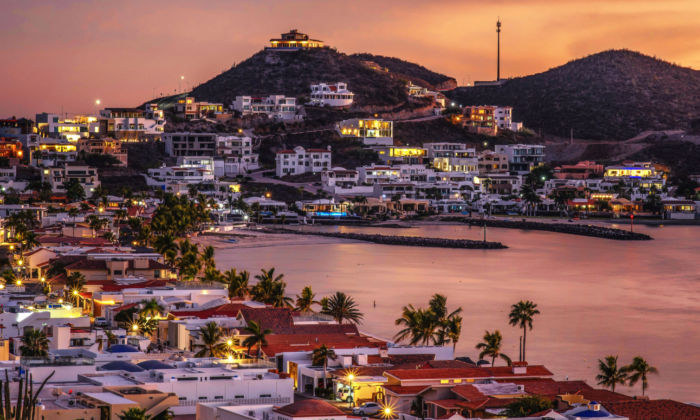

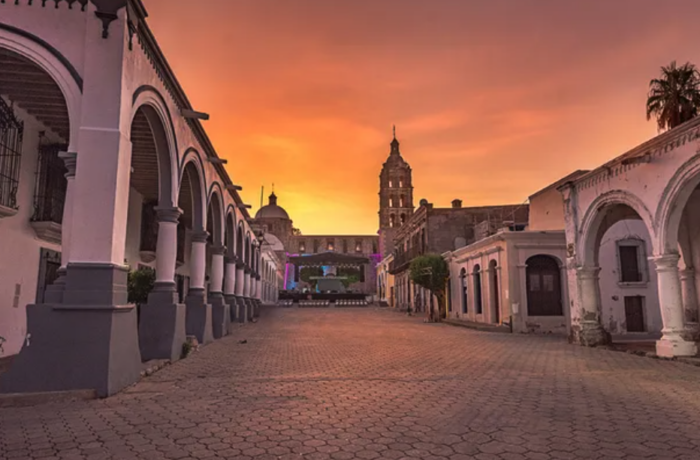
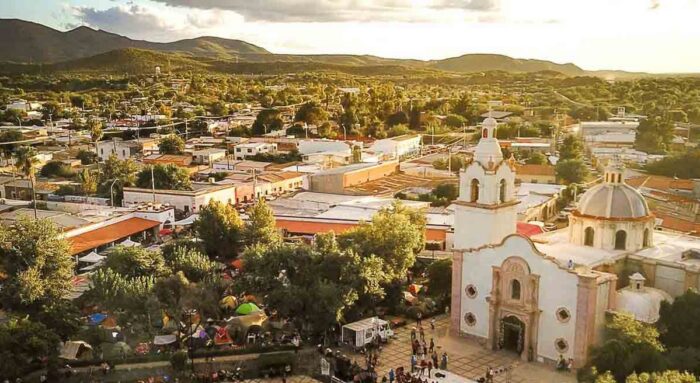
HIGHLIGHTS
The Signature Experience

BEST TIME TO VISIT
Momentours
Festival Alfonso Ortiz Tirado
JanuaryA sophisticated cultural anomaly in the mountains. The colonial town of Alamos transforms into an international stage for opera and classical music, filling its cobblestone streets with bel canto and art.
Whale season in Mexico
WinterEvery winter, Mexico’s Pacific coastline becomes a migration route—and a temporary home—for whales. From the protected lagoons of Baja California Sur to the open waters off Oaxaca, the season brings some of the best whale watching on the planet: breaches on the horizon, tails hitting the surface, and the sudden silence that follows a powerful exhale.
PLAN YOUR TRIP
Travel Toolkit
In Sonora, climate defines the landscape’s character. The desert dominates much of the year, but traveling between November and March offers the most pleasant conditions. During hotter months, temperatures rise to 35–40 °C (95–104 °F); in winter, they ease to 15–20 °C (59–68 °F).
Sonora is served by airports in Hermosillo, Ciudad Obregon, and Puerto Penasco, along with bus connections operated by companies such as Tufesa, Albatros and ADO. Once there, renting a car is key; in cities, taxis and ride-hailing apps like Uber and Didi are widely available.
Culinary Soul
The culinary soul of Sonora is forged by the desert’s resilience and the generosity of the Sea of Cortez. It is a legacy of fire and wheat, where the ranching culture and indigenous roots blend into an authentic heritage. More than just food, it is a ritual of community and grit, reflecting a deep connection to the land and a proud tradition of quality that has been passed down through generations of families.
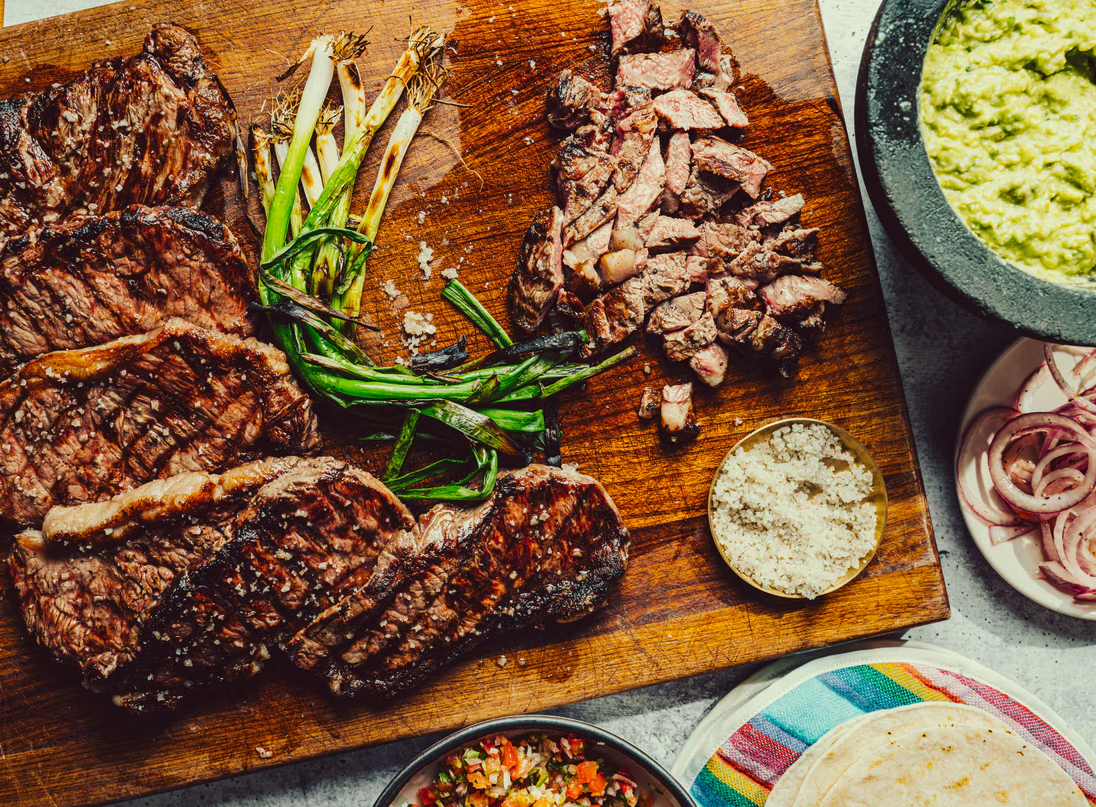
Sonoran Carne Asada
More than just a dish, it is a social ritual. High-quality beef (such as diezmillillo or palomilla) is seasoned only with salt and grilled over mesquite charcoal, which provides its iconic aroma. It's the legacy of Sonora’s ranching culture, recognized nationwide for producing the country's best beef.
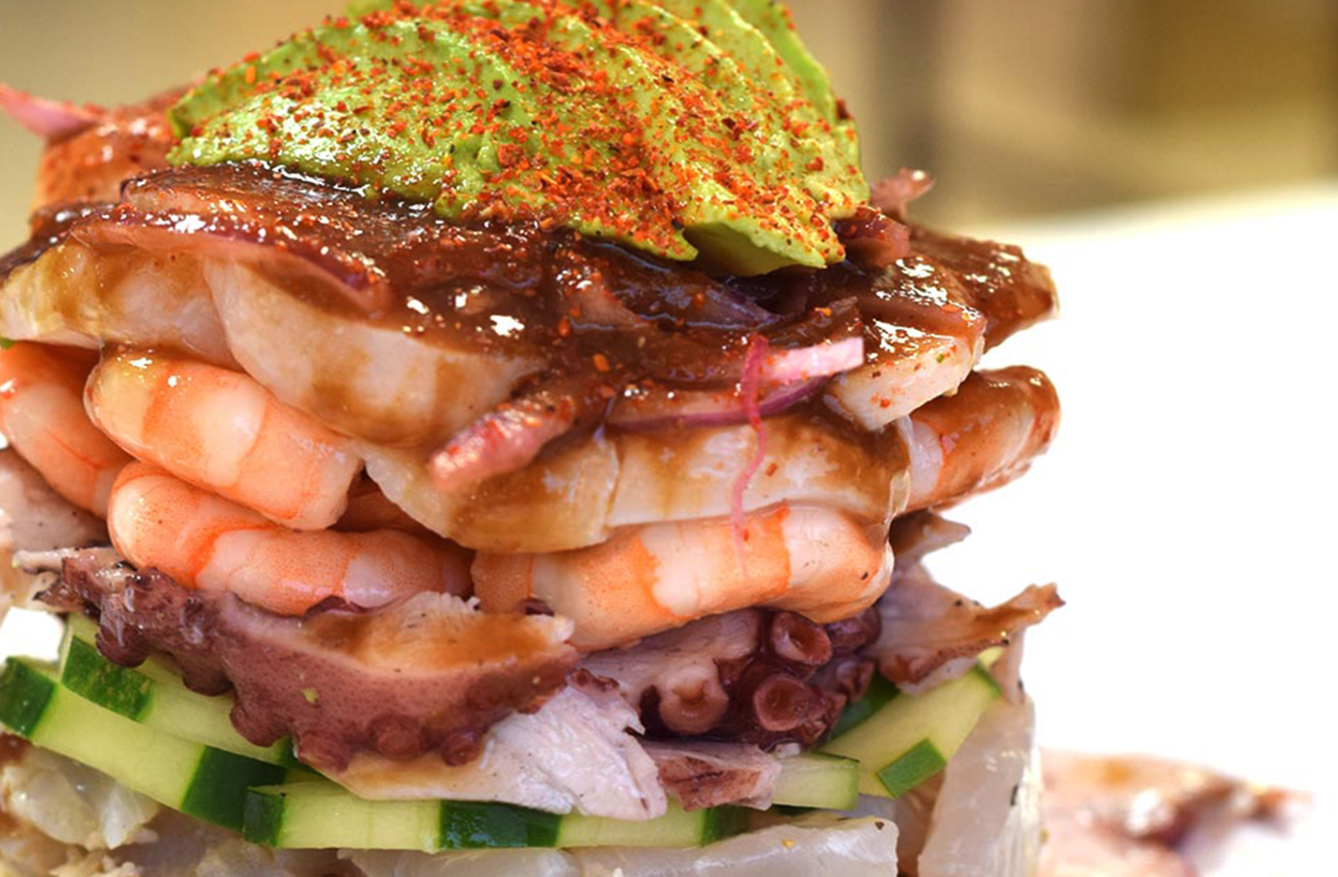
Sonoran Seafood
Coming from the generous Sea of Cortez, Sonoran seafood is distinguished by extreme freshness and minimalism. Shrimp aguachile, scallops, and "reina" clams are the stars. Unlike styles further south, the goal here is to highlight the product's natural flavor using lime, salt, and the ubiquitous chiltepin chili. It is the legacy of coastal towns.
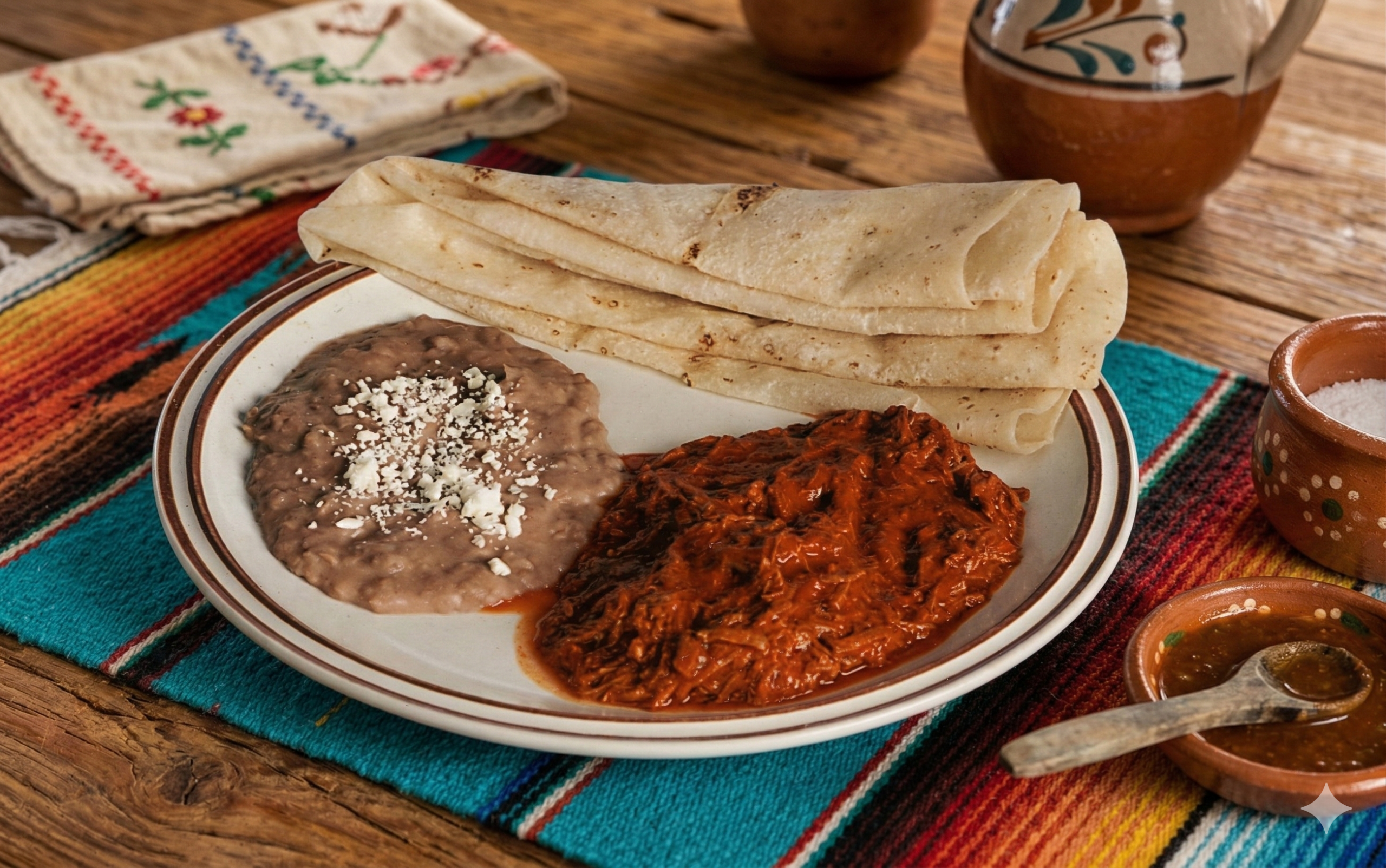
Chili with Beef
A robust stew using shredded tender beef simmered in a velvety red chili sauce made from "colorado" chilies (Anaheim peppers). Unlike other regional styles, the Sonoran version seeks a deep, smoky flavor rather than extreme heat. It's a legacy of ranch kitchens, where slow cooking transforms simple ingredients into a feast.

Gallina Pinta
A beef stew with beans and nixtamalized corn whose name comes from the "speckled" appearance created by mixing the beans and corn in the broth. It's a pre-Hispanic dish that evolved with the arrival of European livestock.

Machaca Burritos
These are made with the famous "sobaquera" flour tortillas, stretched by hand until almost translucent. The filling is machaca (salted, sun-dried beef, pounded tender) sautéed with lard, green chili, onion, and tomato. It represents a desert heritage where drying meat was vital for preservation. It is the essential cowboy lunch and a showcase of the state's mastery of wheat.
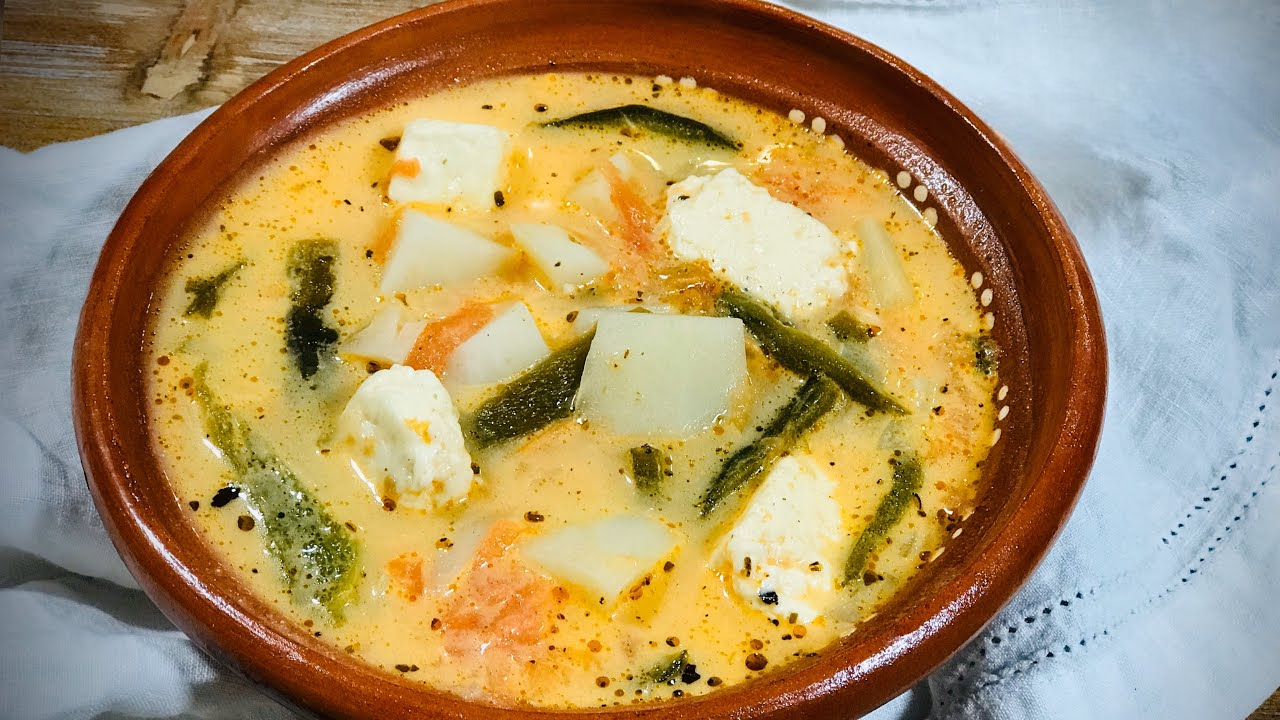
Cheese and Potato Soup
This dish is the definition of domestic warmth in Sonora. Its ingredients are simple: white potatoes, fresh cheese (preferably regional "queso cocido" that melts without losing its shape), milk, and the essential touch of roasted green chili (Anaheim).

Chimichanga
Born from an ingenious adaptation of burritos, these are flour tortillas filled with stews (commonly machaca or shredded beef) that are deep-fried until golden and crispy. They are served topped with cream, cheese, lettuce, and salsa.
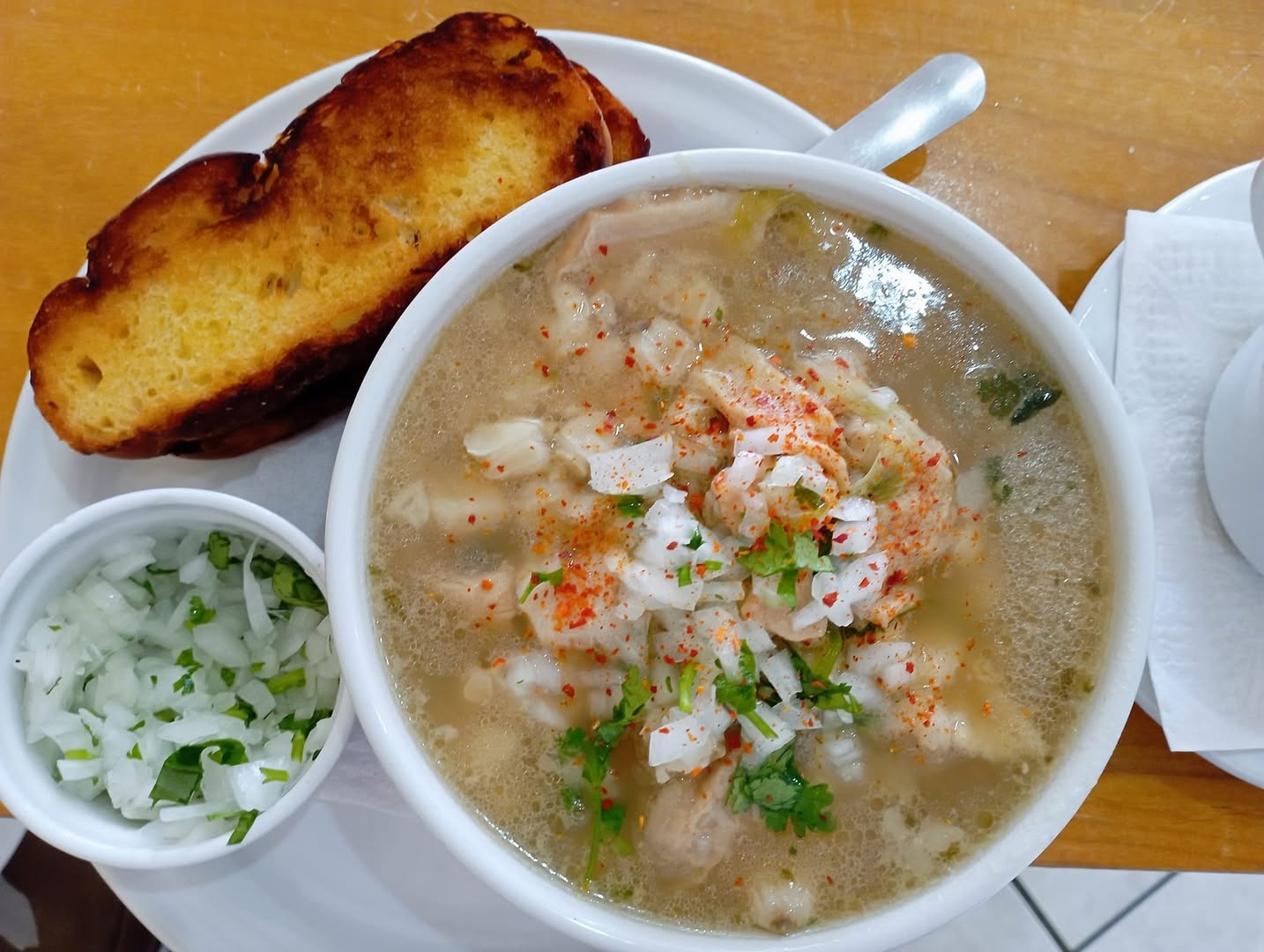
Sonoran Menudo
This version differs from other regions by being a clear (white) broth, without the use of red chili during cooking. It's made with beef tripe and hooves for body, along with white corn kernels. It is seasoned at the table with chiltepín, oregano, onion, and lime. It is the ultimate restorative weekend breakfast.

Coyotas
Originating in the Villa de Seris neighborhood of Hermosillo, these large, flat cookies are made with wheat flour and lard, traditionally filled with piloncillo (raw sugar) and baked in wood-fired ovens, giving them a unique brittle texture.
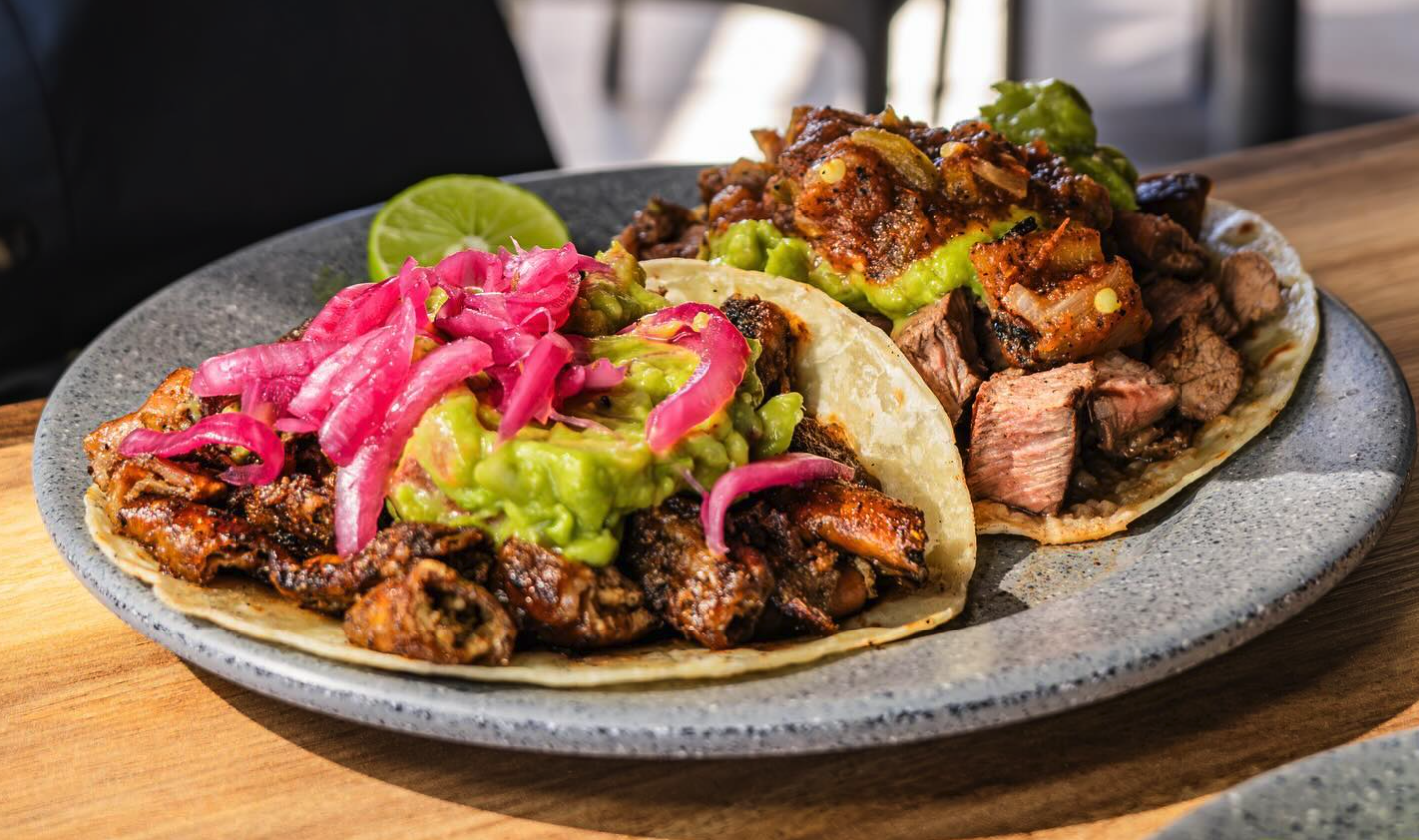
The Iconic Taco
The Local Bite
Carne Asada Taco
"
The gold standard of Sonoran street food. Finely chopped grilled beef is served on large flour tortillas. The topping bar is sacred: cabbage, grilled onions, beans, radishes, and various salsas ranging from “bandera” (pico de gallo) to fiery chiltepín. It is the culmination of the state’s diet: wheat, beef, and fire, served quickly but with top-tier ingredients.