

Region
Yucatan Peninsula
Where ancient worlds meet turquoise seas
Regional Vibes
Why to Visit
Because few places in the world offer such an effortless blend of deep history, living culture, singular nature, and quality of life. The Yucatan Peninsula rewards travelers who want more than scenery it offers understanding, balance, and a lasting sense of place.
Click any state to explore
Explore
States
Highlights
The Signature Experience
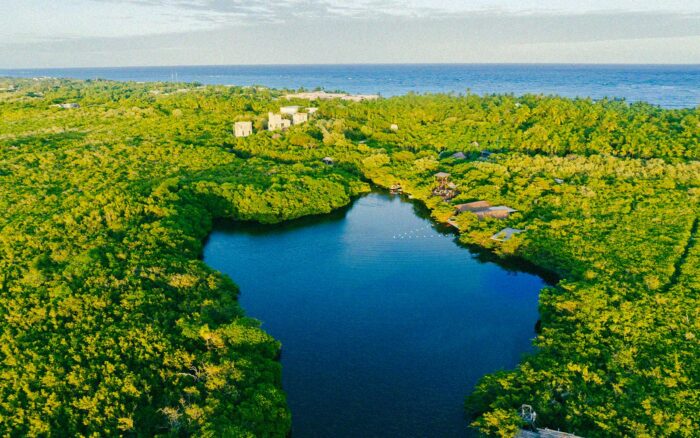
Tulum
Cenotes in Tulum: A Journey into Maya Mysticism
Venture into the sacred cenotes of Tulum—luminous freshwater gateways where ancient Maya mysticism converges with the raw vitality of the jungle in a subterranean world.
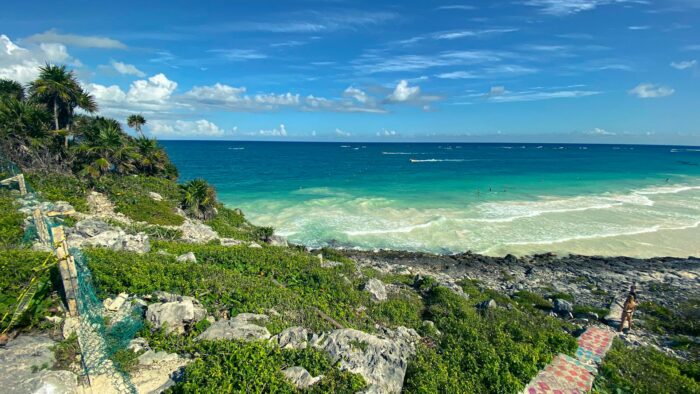
Tulum
Tulum: Wellness Oasis in Mexican Caribbean
Heal your mind and body surrounded by nature.
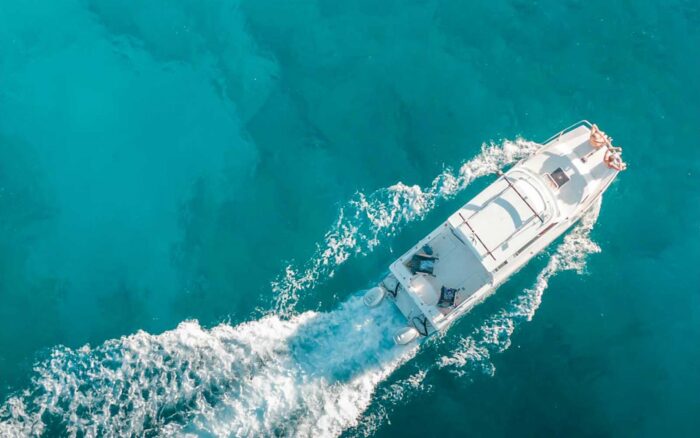
Quintana Roo
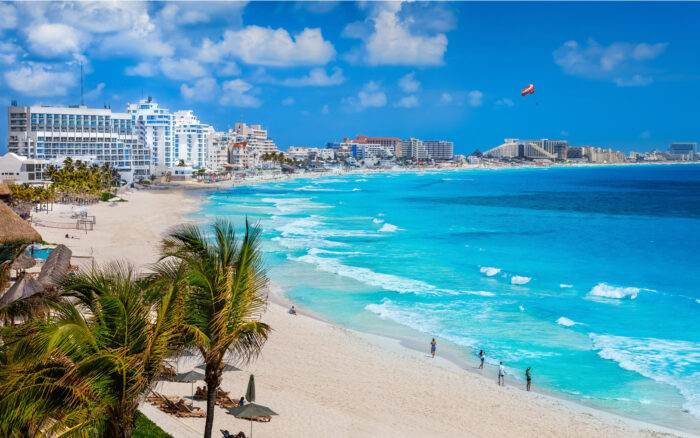
Sailing the Mexican Caribbean: Infinite Turquoise
Disconnect from the world and surrender to the rhythm of the waves. From spotting hidden reefs to watching the sunset from a catamaran, discover why the true essence of the Caribbean lies far from the shore.
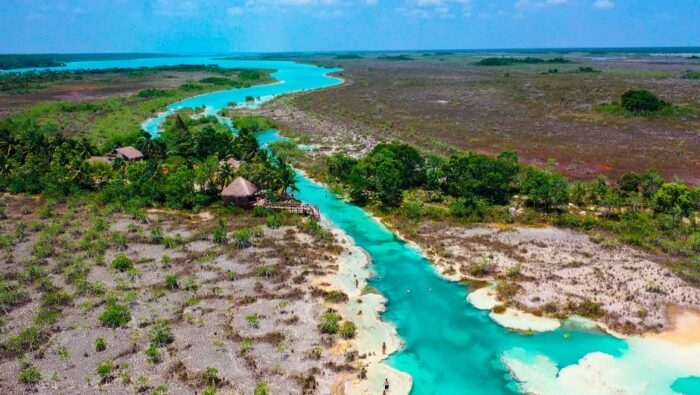
Bacalar
Sunrise at Bacalar: Seven Shades of Blues
Discover the Mexican Caribbean’s best-kept secret. An intimate encounter with nature where crystal-clear water and pirate history merge in a sunrise that transforms the horizon into a kaleidoscope of turquoise.
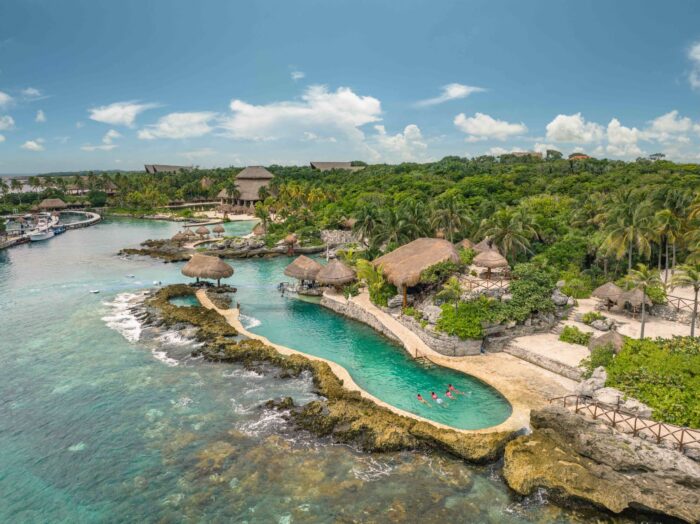
Playa del Carmen
Xcaret: Mexico’s Majestic Eco-Archaeological Sanctuary
Discover the park where Caribbean biodiversity and Mexican history converge. From crystal-clear rivers to the country’s largest stage production, live an experience that celebrates life in all its forms.
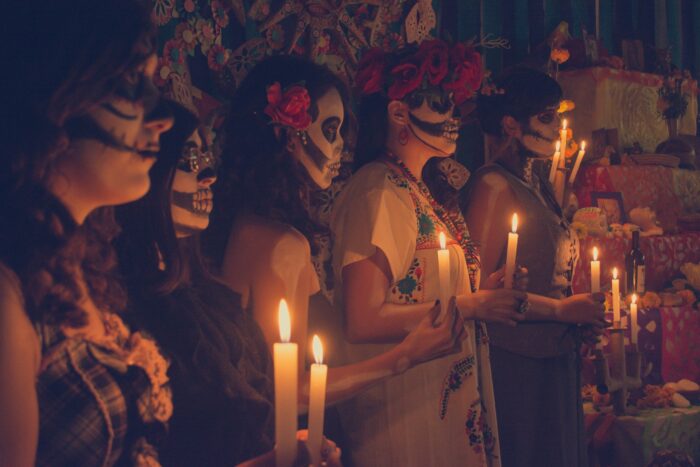
Yucatan
Day of the Dead
Discover Mexico’s most iconic festival. From the mysticism of the altars to the candlelight vigils in the graveyards, experience a unique celebration where death is not an end, but an annual reunion with those we love.

Merida
Gastronomy of Merida: The Feast at the Land of Mayab
Discover the perfect fusion in the capital of Yucatan. From the mysticism of cochinita pibil to the sophistication of edam cheese, experience a culinary journey that transforms Mayan tradition into a world-class feast.

Yucatan
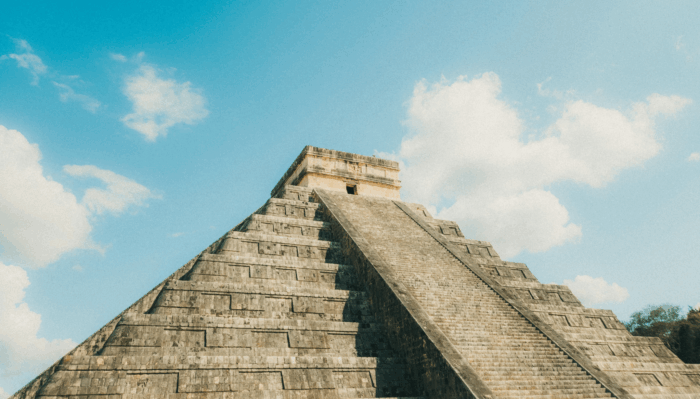
Chichén Itzá: The Echo of the Stars
A profound immersion into the sacred city where astronomy and stone merge. Discover the secrets of a civilization that decoded the cosmos and erected temples that defy the passing of centuries deep within the Yucatecan jungle.
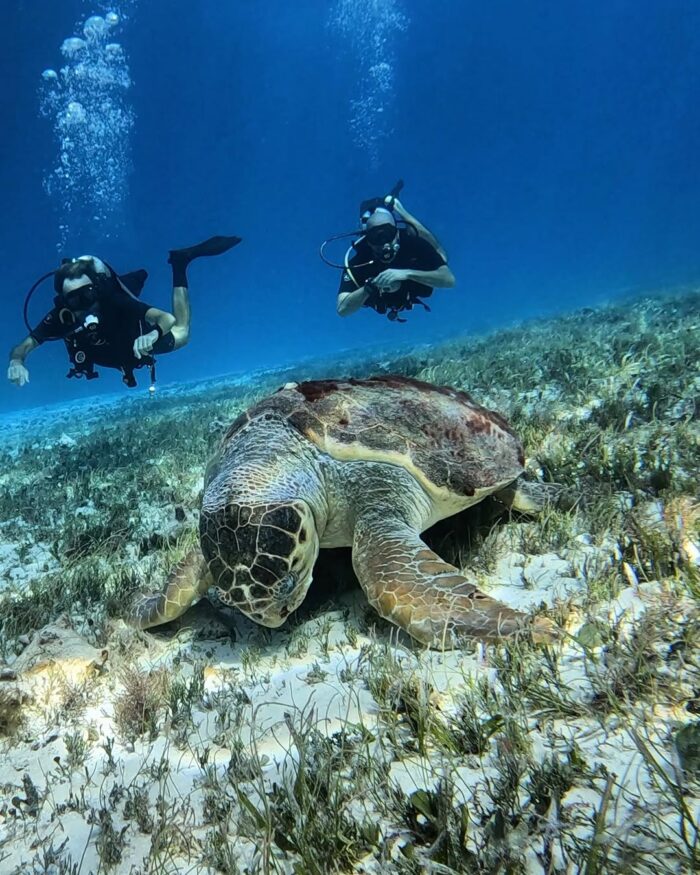
Cozumel
Diving in Cozumel: The Kingdom of Glass and Coral
Discover why Cozumel is the ultimate sanctuary for ocean lovers. Amidst coral gardens, abyssal walls, and vibrant biodiversity, experience weightlessness in the most transparent waters on the planet.
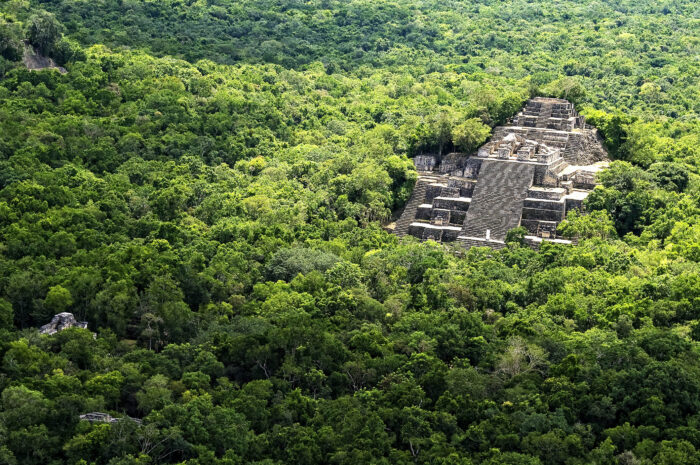
Campeche
Calakmul: The Kingdom of the Mountain and the Jaguar
Venture into the Campeche jungle to discover the city that once ruled the lowlands. Climb the tallest structures in Mesoamerica and gaze upon an infinite green sea from the summit of a lost empire.
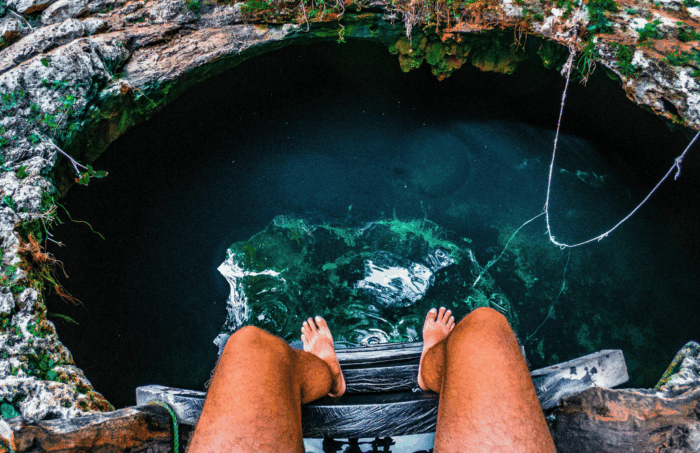
Yucatan
Diving in Yucatan’s Cenotes
Discover the best-kept secret of the Yucatecan jungle. Amidst stalactites, hanging roots, and celestial lights, experience absolute purity in the most spectacular freshwater deposits on the planet.
Plan your trip
Traveler toolkit
Airports:
Cancun (CUN) – Main international hub
Merida (MID) – Excellent regional and US connections
Cozumel (CZM) – Island access
Tulum (TQO) – New gateway to the southern Riviera Maya
Campeche (CPE) – Regional access
Ground Transportation:
ADO buses – The peninsula’s most reliable long-distance bus network; comfortable, frequent, and well connected between cities and tourist hubs.
Maya Train – Connects major cities, archaeological sites, and natural areas across the peninsula.
Rental car – Ideal for cenotes, rural routes, and flexible exploration.
Ferries:
Cancun – Isla Mujeres
Playa del Carmen – Cozumel
Chiquila – Holbox