

Region
West Central North Mexico
The Historic and Cultural Core of the Country
Regional Vibes
Why to Visit
The Central West & Bajío is the definitive destination to understand the Mexican identity. It is the Cultural Heartland of the country, where the sophistication of UNESCO World Heritage cities like San Miguel de Allende and Guanajuato meets the profound spirituality of the Purépecha traditions in Michoacán. From the birthplace of Tequila and Mariachi in Jalisco to the surreal landscapes of the Huasteca Potosina, this region offers a unique “Cultural Road Trip” experience that blends colonial luxury, living indigenous heritage, and world-class gastronomy.
Click any state to explore
Explore
States


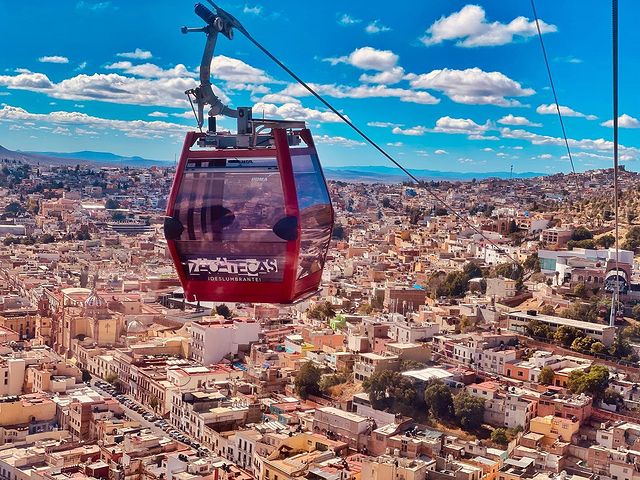
Highlights
The Signature Experience
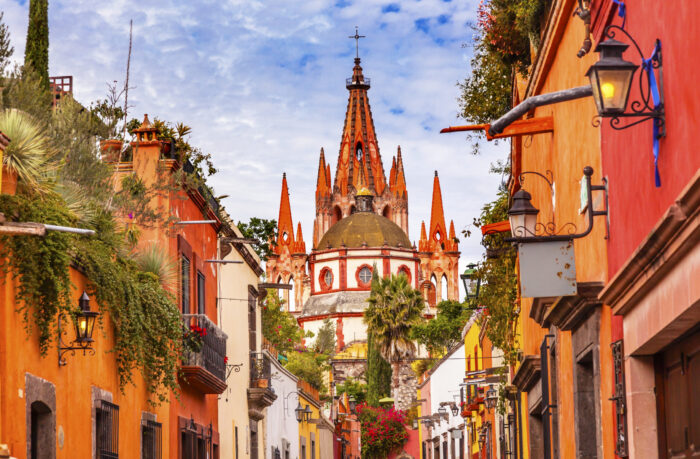
San Miguel de Allende
Living the San Miguel de Allende Dream
Discover why this city has been repeatedly named the best in the world. Amidst ochre-colored facades, neo-Gothic towers, and avant-garde cuisine, experience a place where the colonial past and modern luxury live in perfect harmony.
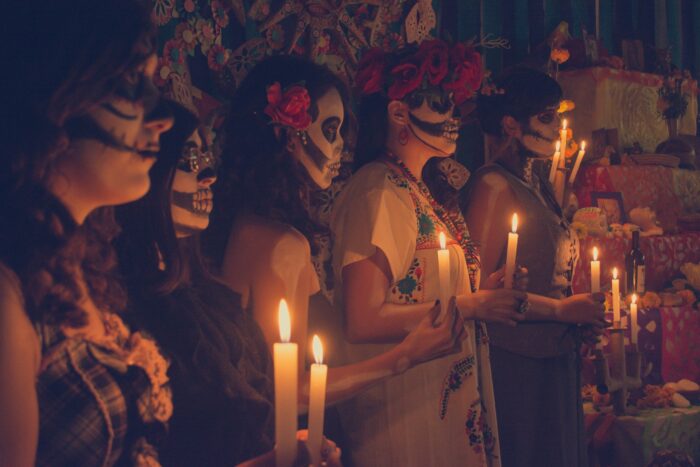
Patzcuaro
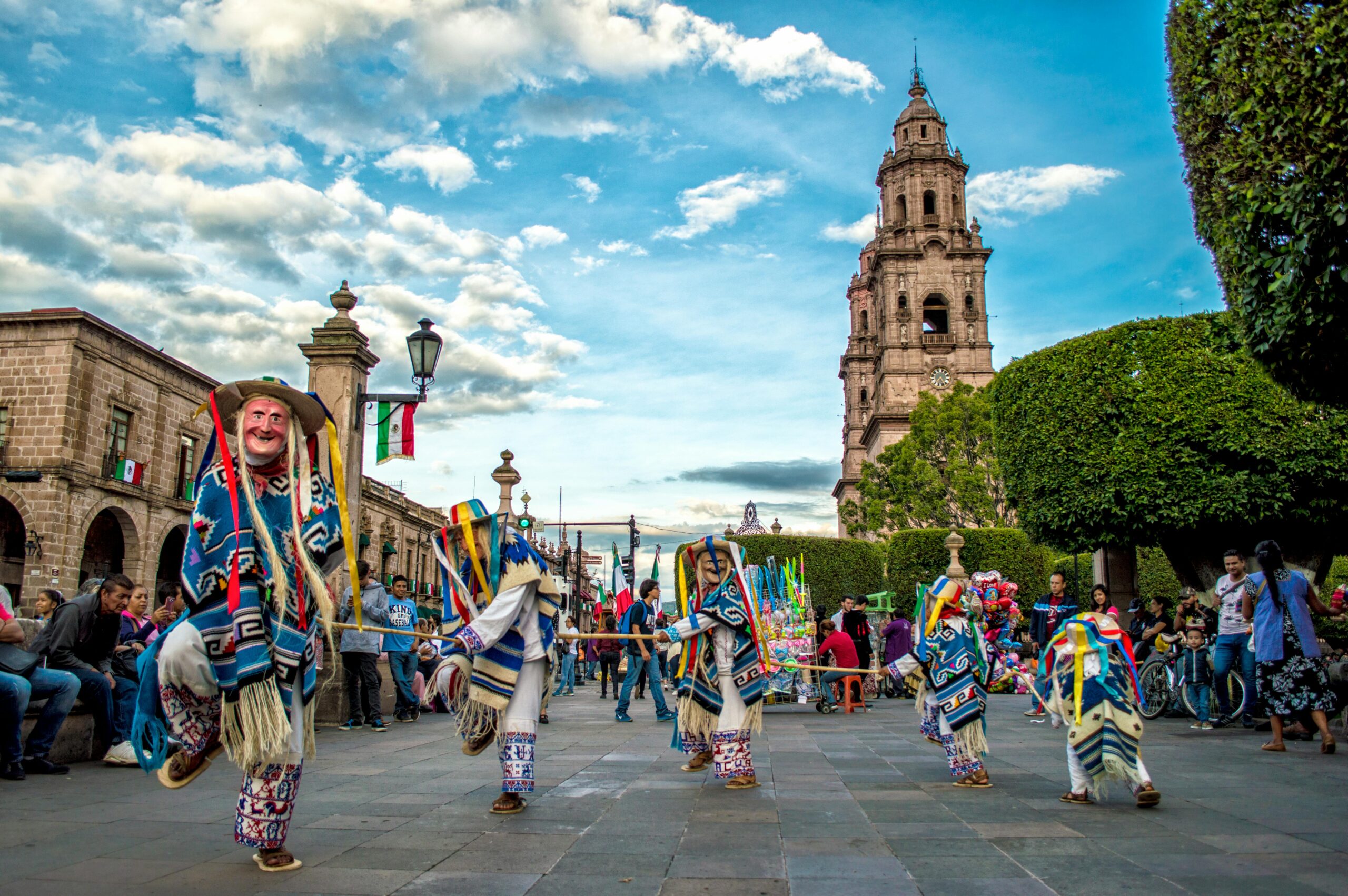
Day of the Dead
Discover Mexico’s most iconic festival. From the mysticism of the altars to the candlelight vigils in the graveyards, experience a unique celebration where death is not an end, but an annual reunion with those we love.
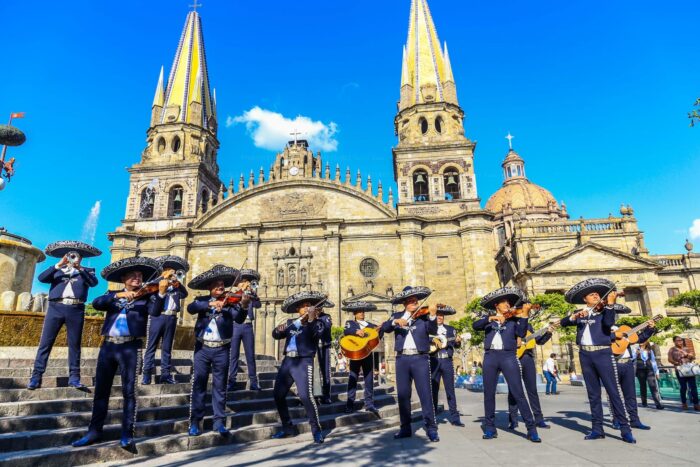
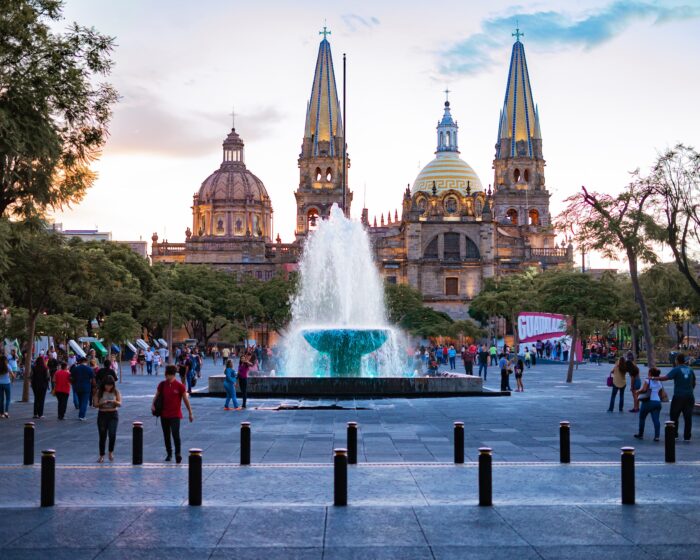
Guadalajara
Mariachi Nights in Guadalajara: The Rythm of Mexican Soul
Discover the magic of the music that defines a nation. From serenades in the San Juan de Dios neighborhood to high-school gala performances, experience a night where every trumpet and violin tells the story of an eternal Mexico.
West Central North Mexico
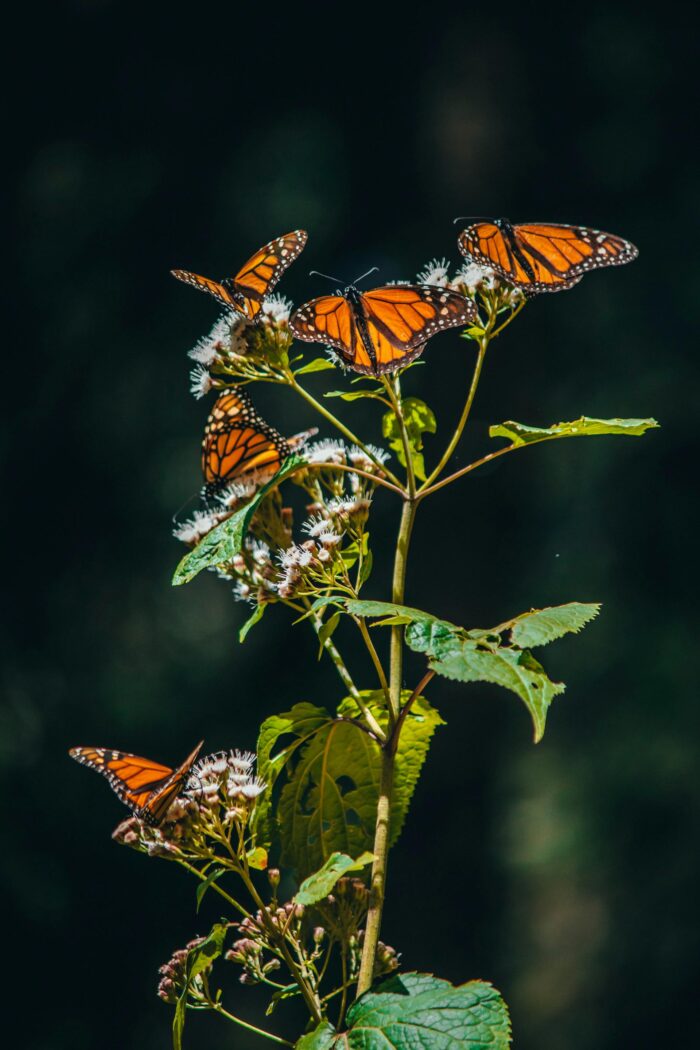
Monarch Butterfly Migration
Experience nature’s miracle in the sanctuaries of Michoacán. Walk among millions of butterflies that tint the sky after traveling thousands of miles, in an experience that redefines the connection between mankind and life.
Tequila
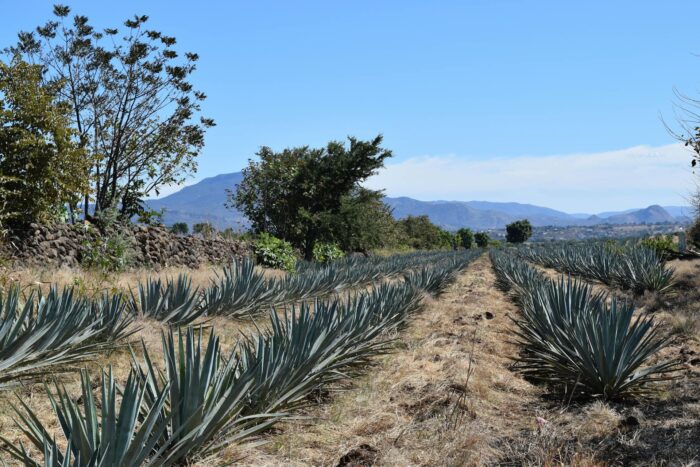
The Tequila Route: Jalisco’s Blue Landscape
Traverse the blue agave fields declared a World Heritage Site. Discover the artisanal process that transforms the heart of the earth into Mexico’s most iconic spirit, while staying in giant barrels and exploring underground cellars.
Plan your trip
Traveler toolkit
Getting There & Around:
International and Local Airports
Guadalajara (GDL): The region’s primary hub and Mexico’s third busiest airport. It offers extensive direct connections to major U.S. cities (LAX, IAH, ORD, JFK) and Europe (Madrid). It is the ideal entry point for the “Tequila Route.”
Bajío International / Guanajuato (BJX): The strategic heart of the region. Located in Silao, it serves León, Guanajuato City, and is the closest major airport to San Miguel de Allende (1.5 hours by shuttle). It handles frequent flights from Texas, California, and Chicago.
Regional Gateways:
San Luis Potosí (SLP) & Aguascalientes (AGU): Key airports for business travelers with efficient connections to Dallas and Houston.
Morelia (MLM) & Zacatecas (ZCL): Smaller, easy-to-navigate airports perfect for travelers looking to land directly in the colonial highlands.
Leaving the Airport: Authorized taxi kiosks are standard and safe. In GDL and BJX, private shuttles (like Bajiogo) are highly recommended for transfers to neighboring colonial towns.
Mobility:
Luxury Bus Travel (The “Executive” Experience): This region has the best bus network in Latin America. Lines like ETN and Primera Plus offer a “Business Class on wheels” experience: double-decker buses with fully reclining seats (160°), individual touchscreens, Wi-Fi, and extra legroom. For many travelers, this is superior to driving.
Road Trips: The “Colonial Circle” is served by an excellent network of toll roads (Cuotas). Driving is safe and scenic, offering the freedom to explore “Pueblos Mágicos” like Lagos de Moreno or Real de Catorce at your own pace.