

Campeche
Legendary walls facing the Gulf sunset.
Why to Visit
Because Campeche still feels like a secret shared quietly, not advertised loudly.
This is a place that invites exploration in the most classic sense of the word. Pirate legends linger in its fortified walls and sea-facing bastions.
At its heart lies a powerful Maya heritage, expressed not only in monumental sites like Calakmul but in daily rhythms, food traditions, and a deep respect for the land. Beyond the cities, a lush, expansive forest stretches on, quiet and immersive, offering scale, shade, and a sense of wonder that feels increasingly rare.
Campeche surprises with how easy it is to navigate. Well-connected roads and thoughtful infrastructure allow travelers to move seamlessly between coast, jungle, and ancient cities, creating a rare balance: accessibility without overexposure.
What truly completes the experience is the people. Campechanos are warm, unhurried, and genuinely welcoming, offering conversation, guidance, and a sense of belonging rather than performance. Here, hospitality feels natural.
To visit Campeche is to encounter the Mexican south in its most authentic form—layered, generous, and deeply rooted. It is a destination for travelers who delight in discovery, who appreciate places that reveal themselves slowly, and who understand that the most enchanting journeys are often the ones least announced.
Key Destinations

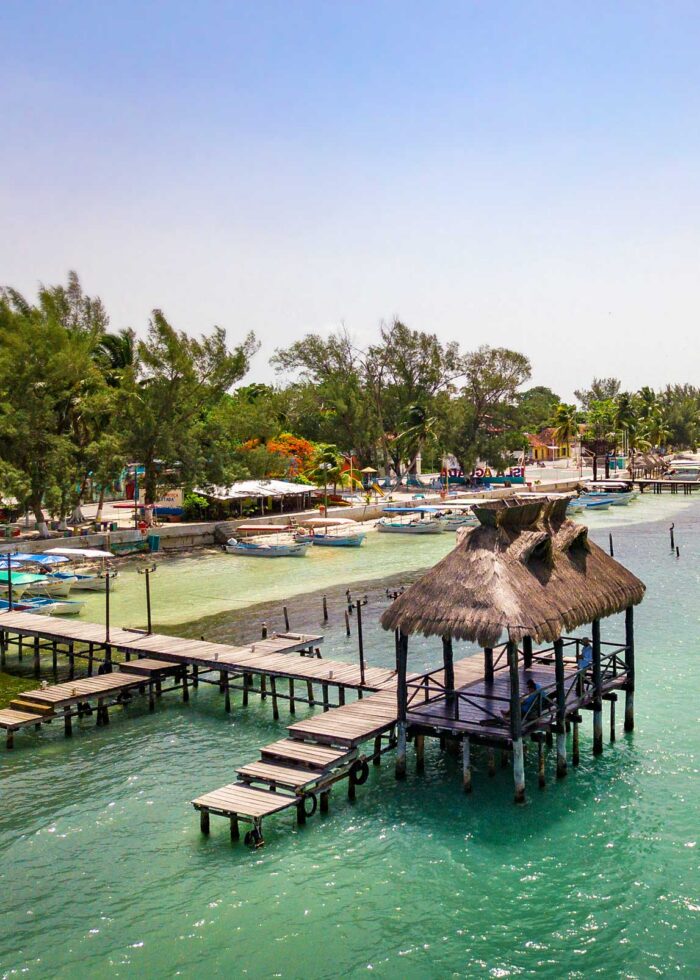
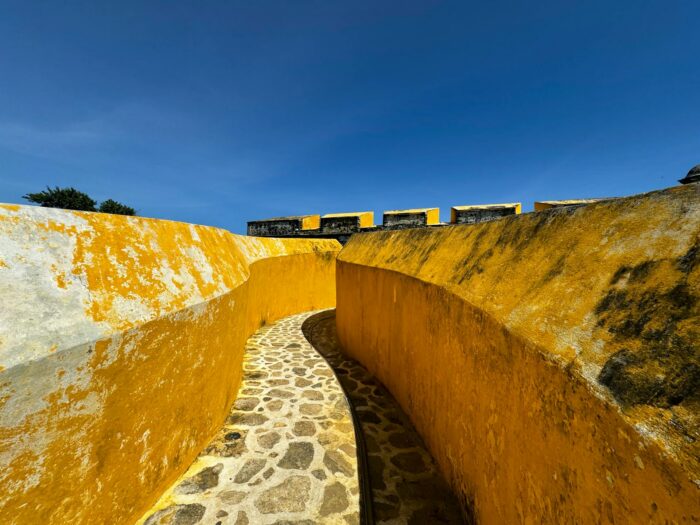
HIGHLIGHTS
The Signature Experience
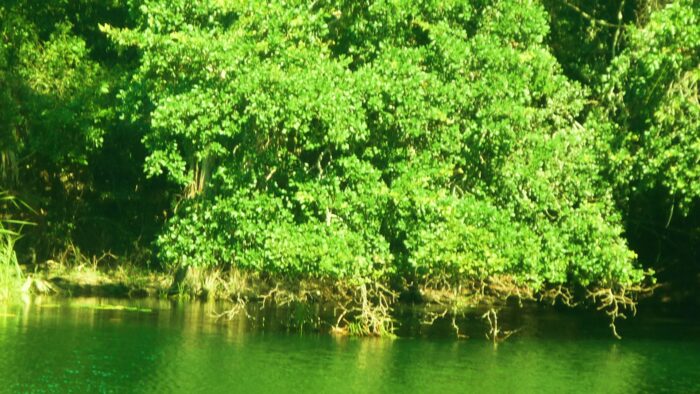
Explore the Los Petenes Biosphere Reserve
North of Campeche lies the Los Petenes Biosphere Reserve, one of Mexico’s most distinctive coastal ecosystems. The protected landscape is formed by extensive mangrove forests that rise from shallow water, creating small vegetated islands known as petenes where diverse plant and animal species thrive. Exploring the reserve involves navigating natural channels bordered by mangroves that… View Article
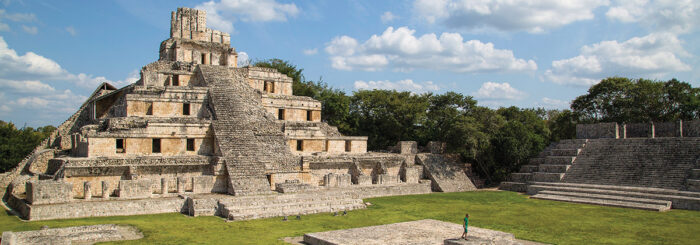
Edzna Archaeological Site
About 50 kilometers from San Francisco de Campeche, the archaeological site of Edzna reveals one of the most remarkable urban centers of the Maya world. Its name is often translated as “House of the Itza,” and for centuries the city held regional influence thanks to an advanced hydraulic system that allowed water to be stored… View Article

Stay in restored historic homes and small boutique hotels
Where comfort is defined by space, calm, and attentive service rather than excess.

Enter the deep jungle at Calakmul
Explore the Calakmul Biosphere Reserve, where dense jungle, wildlife, and archaeological remains coexist in one of Mexico’s most important conservation areas.
Momentours
Green season in Campeche
June–SeptemberThe jungle is at its most vibrant, ideal for nature-focused travel and photography.
Best conditions for exploring historic cities
November–AprilArchaeological sites.
Carnival of Campeche
February–MarchOne of Mexico’s oldest carnivals, marked by parades, music, and strong local participation.
Travel toolkit
- Airports: Campeche International Airport (CPE). Small and functional, with direct flights mainly from Mexico City (Aeroméxico).
- Maya Train: Campeche is a vital hub. The San Francisco de Campeche station connects efficiently with Mérida, Cancún, and Palenque, offering a modern and scenic alternative.
- Buslines: The ADO terminal connects with the entire southeast (Mérida, Villahermosa, Cancún) offering first-class service (ADO Platino/GL).
- In City: The center and malecón are best explored on foot, by bicycle, or on the tourist tram. Taxis and ride-hailing apps are accessible.
- Surroundings: To visit Calakmul (4-5 hours from the capital), renting a robust car or hiring a certified tour is essential, as the road is long and ventures deep into the jungle.
Culinary Soul
Campeche’s cuisine is among the most distinctive in southeastern Mexico, centering on Gulf seafood combined with Maya and colonial influences. The cooking is rooted, precise, and ingredient-forward.
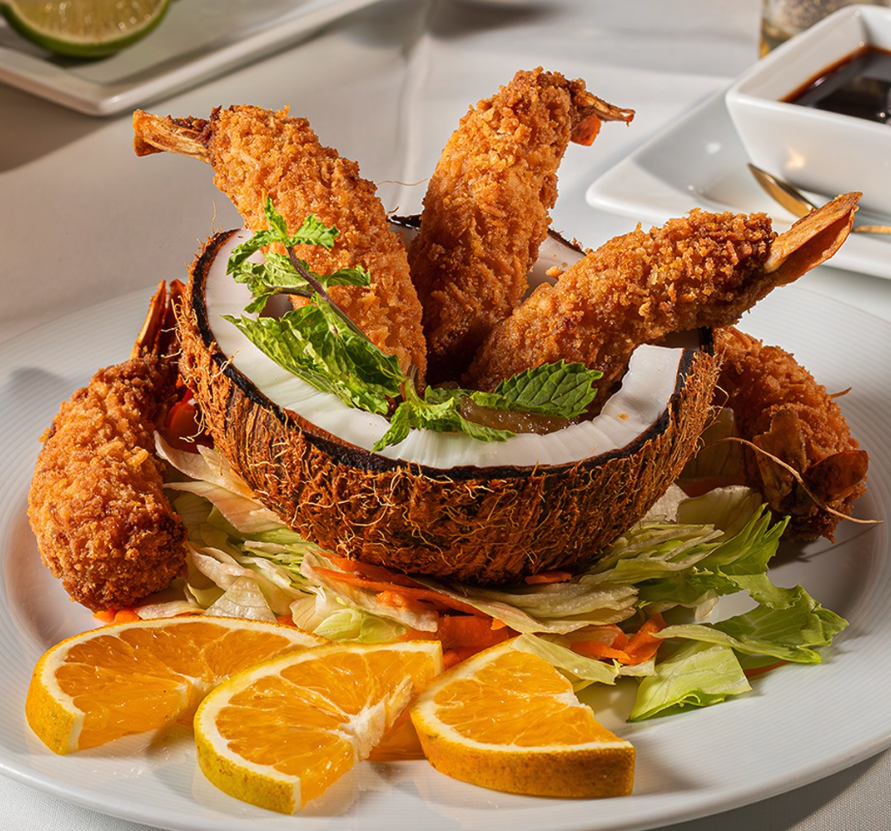
Camarones al coco
Shrimp prepared with coconut, reflecting Caribbean influence along the Gulf coast.
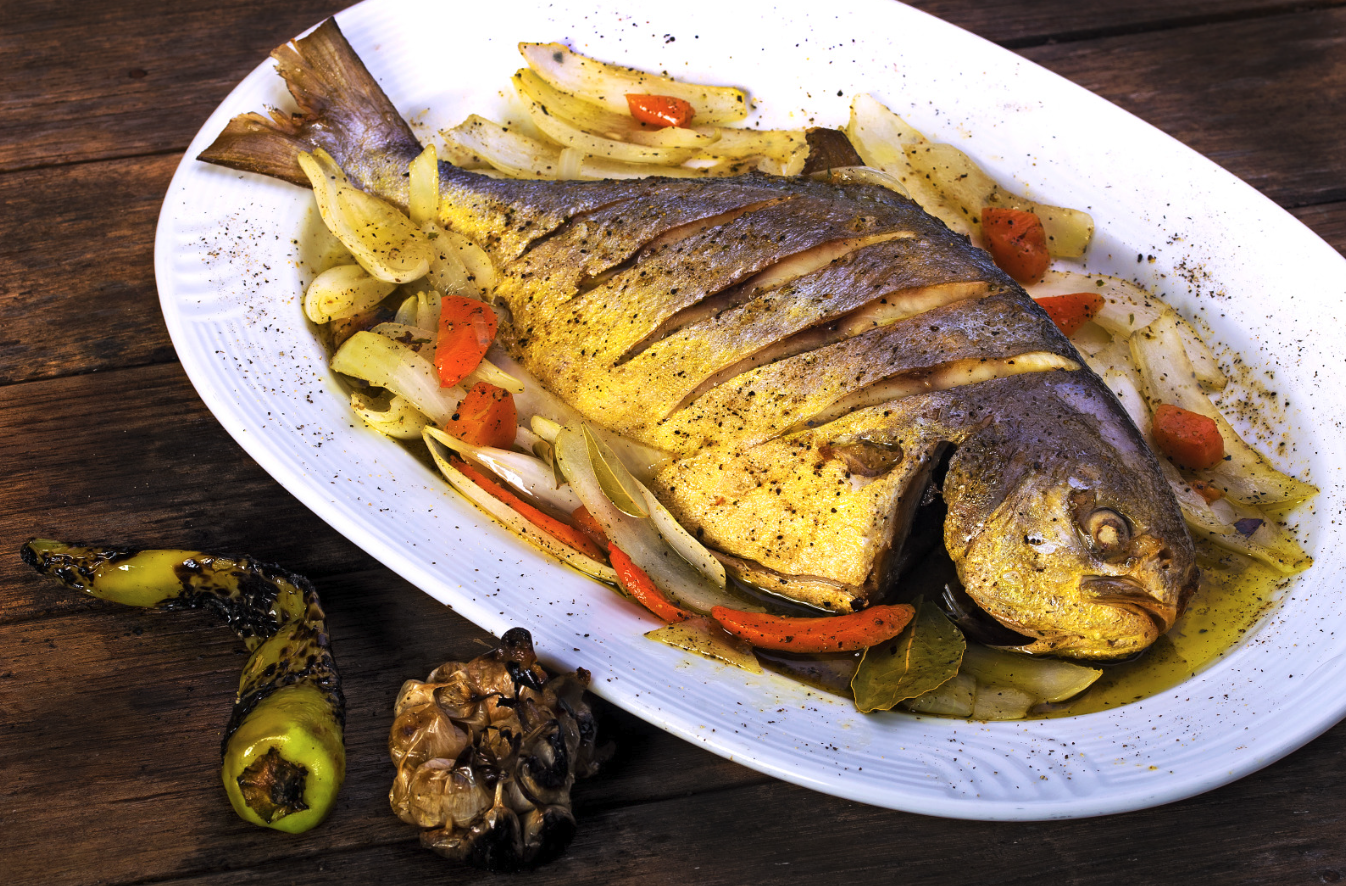
Curated Pomfret fish
Pomfret fish marinated in vinegar, spices, and vegetables—light, balanced, and deeply coastal.
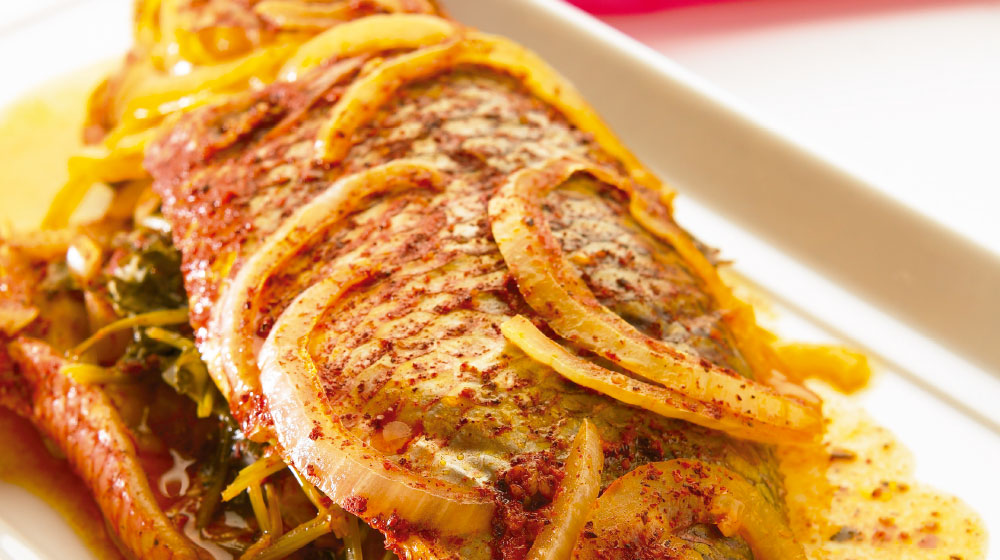
Campeche Style Fish
Fresh fish cooked with tomato, onion, peppers, and local herbs.
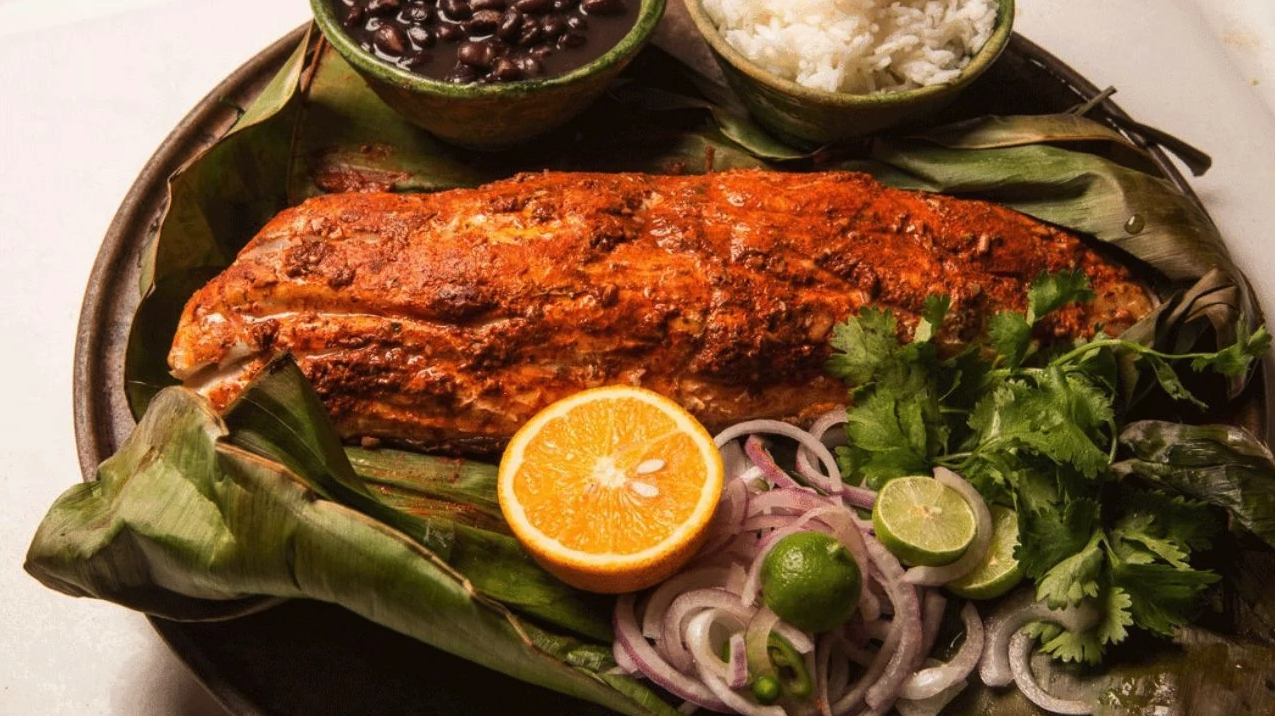
Tikin xic (Campeche style)
Fish marinated in achiote and citrus, grilled over fire—a shared heritage with the Yucatan Peninsula.
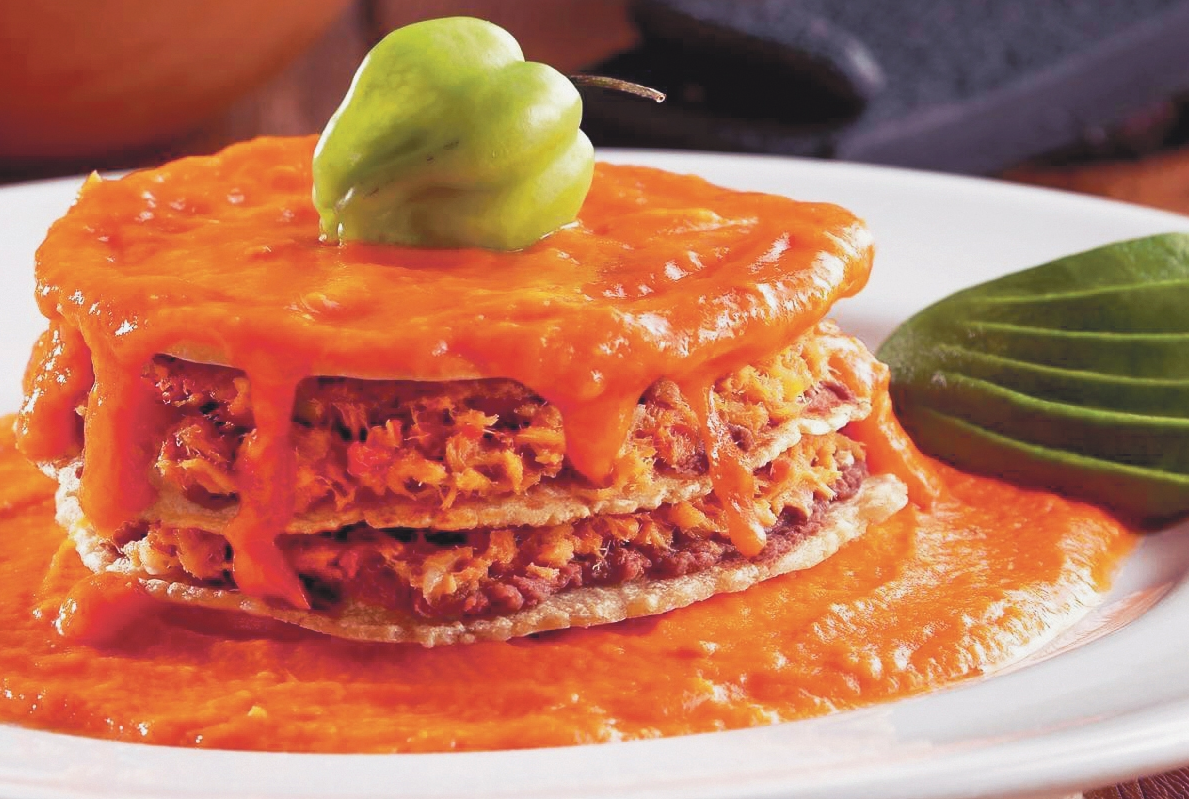
The Iconic Taco
The Local Bite
Dogfish Bread
Not a taco, but a corn based classic. Three corn tortillas layered with a spread of black beans and distinctively seasoned cazón (dogfish/small shark).The stack is smothered in a cooked tomato sauce flavored with epazote and habanero.