

State
Tlaxcala
A Cultural Treasure That Respects Its Roots
STATE VIBES
Why to Visit
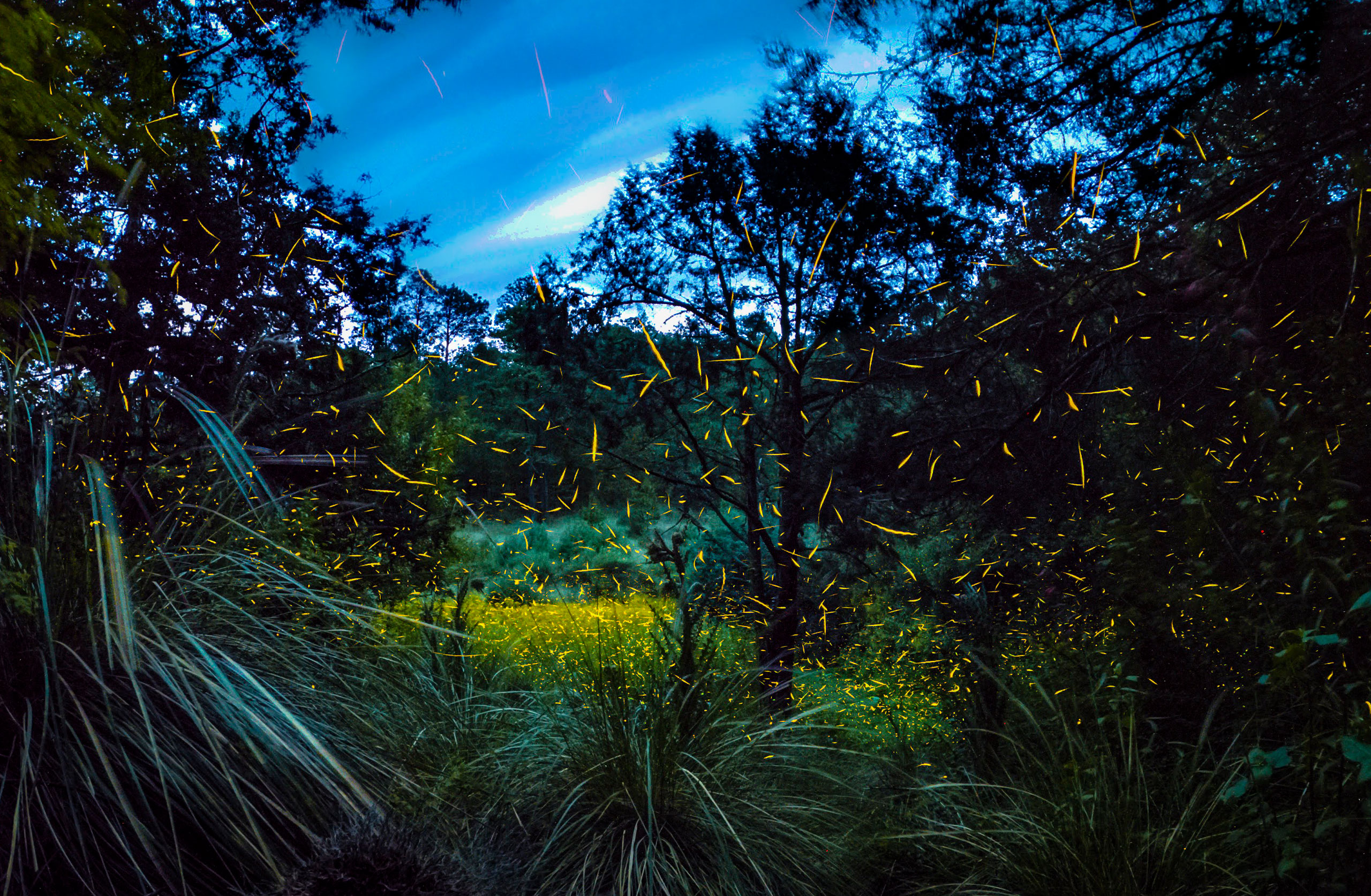
Because Tlaxcala proves that size doesn’t matter. It offers safety, authenticity, and a direct connection to the foundational history of Mexico. It is a place to sleep in a 17th-century hacienda, drink pulque fresh from the tinacal, and walk through a forest of living light.
Click any destination to explore
EXPLORE
Key Destinations
HIGHLIGHTS
The Signature Experience
BEST TIME TO VISIT
Momentours
The Night that No One Sleeps
August 14Walking the streets of Huamantla in August to see kilometers of intricate, multi-colored sawdust carpets created for the Virgin’s procession.
Firefly Season
June - AugustA strict seasonal window to see the forest glow.
PLAN YOUR TRIP
Travel Toolkit
Temperate and cool. Nights can be cold due to altitude.
Airports and Buses: Without a commercial air terminal, it uses the Hermanos Serdán International Airport (PBC) in Puebla as its primary gateway. From its main bus station, companies like ATAH, ADO, and Estrella Roja operate routes to various points across the country.
Also, it’s just a 1.5 to 2 hours trip from Mexico City by car.
Local taxis and collective transport (combis) predominate. In the capital, ride-sharing services are limited. Renting a car makes it easier to visit nearby communities and historic sites.
Culinary Soul
Local cuisine preserves traditional recipes based on corn, herbs, and techniques that remain alive in rural communities.
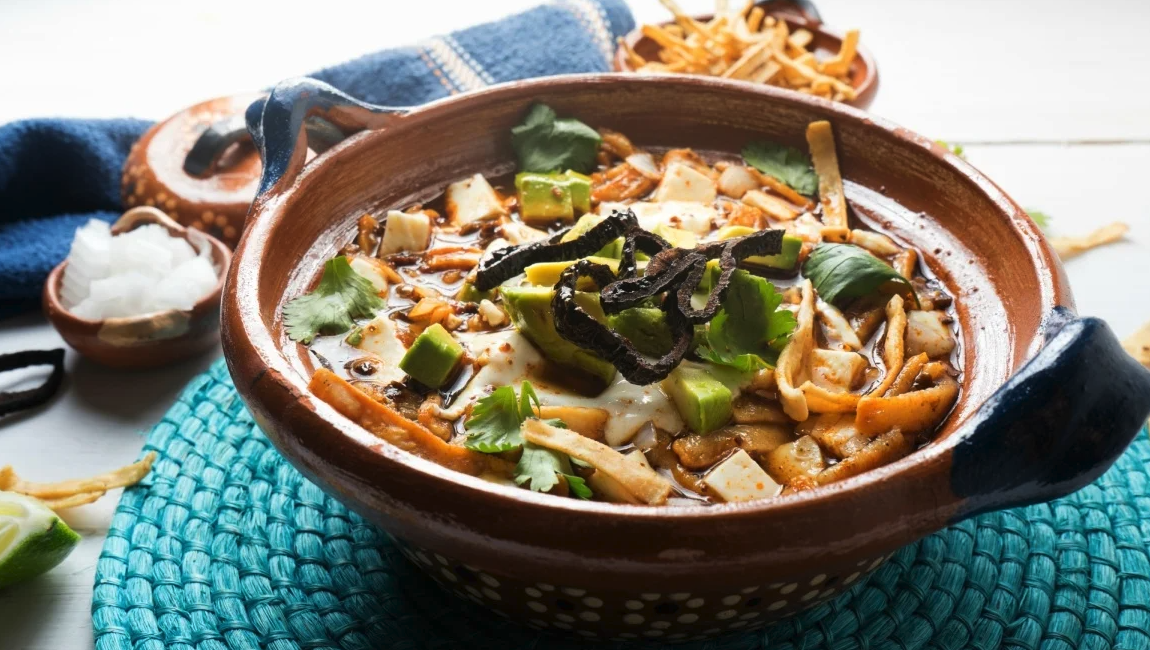
Photo: Gastro Lab Web
Tlaxcalteca Soup
A bean and tortilla soup that rivals the Aztec soup.
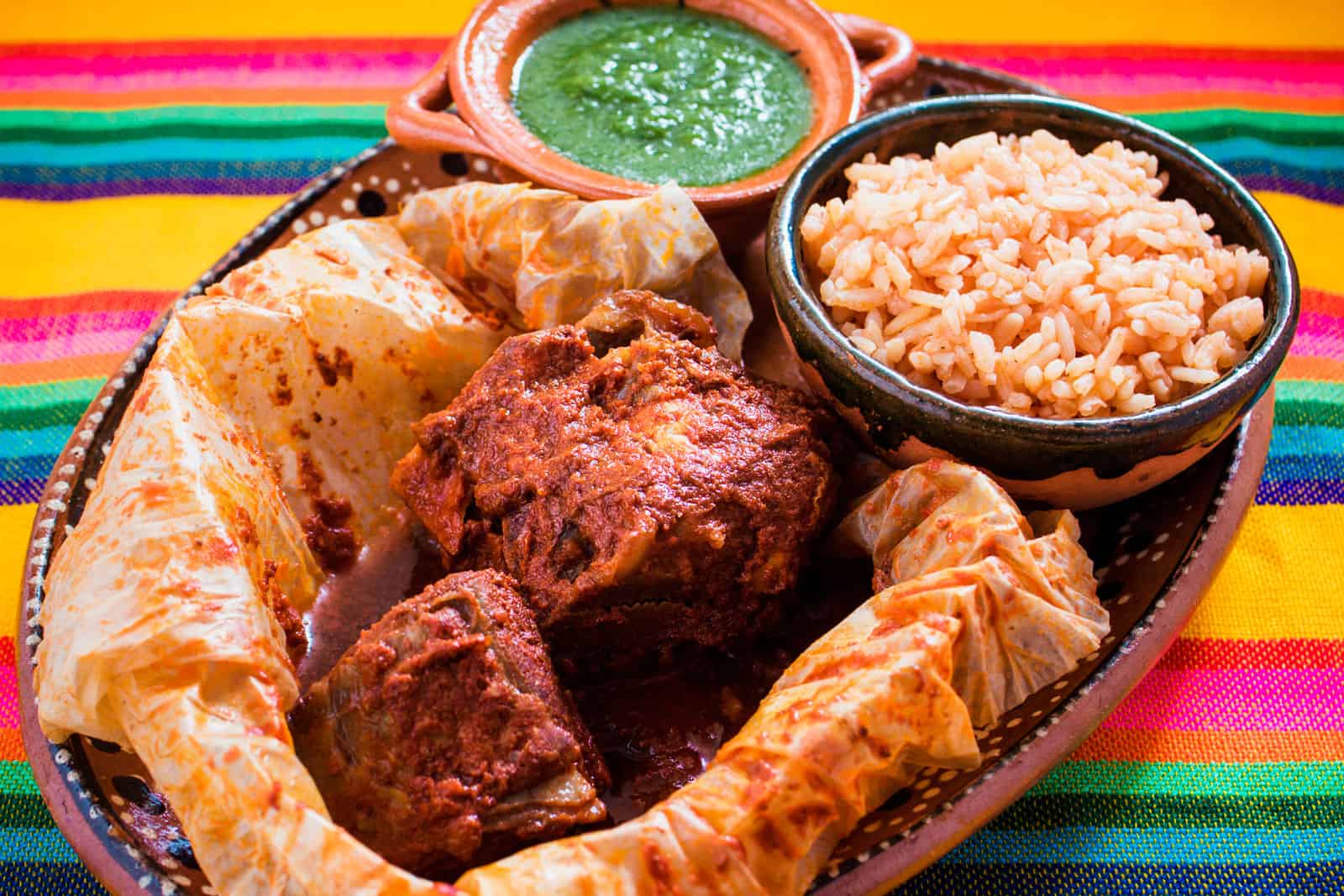
Photo: Larousse Cocina
Mixiotes
Spiced meat (rabbit, mutton, or chicken) steam-cooked inside the skin of the maguey leaf.
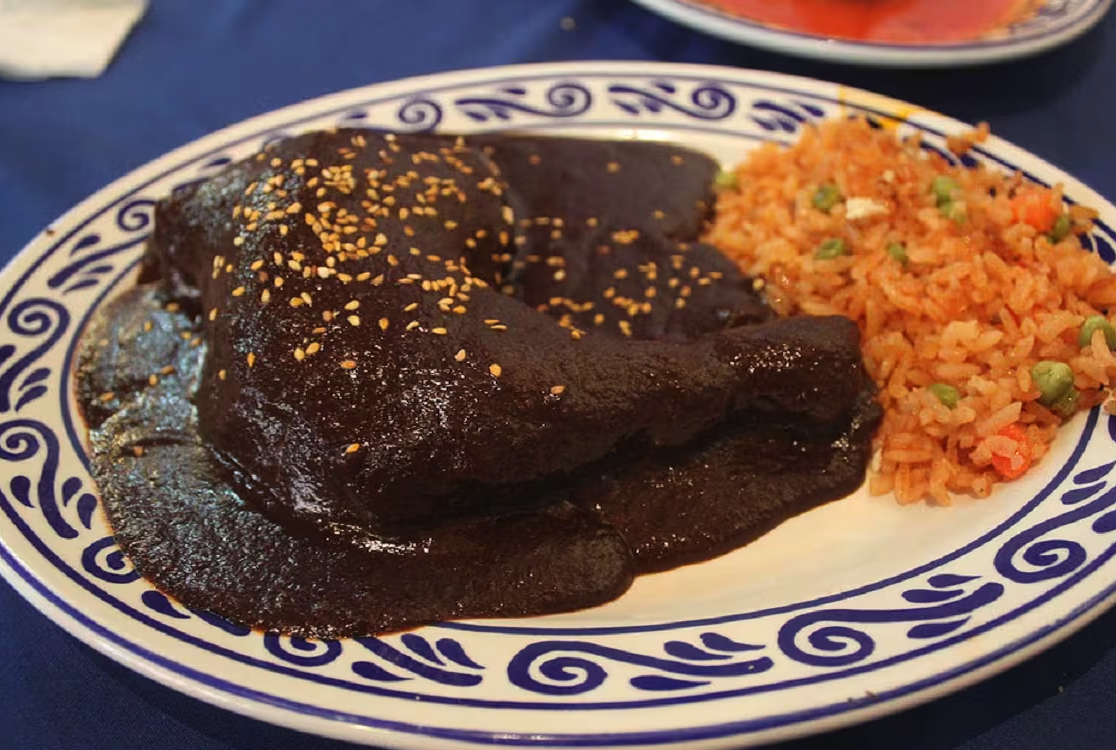
Photo: El Imparcial
Mole Prieto
A ritual, dark sauce made from toasted corn and cacao, served at big festivities.
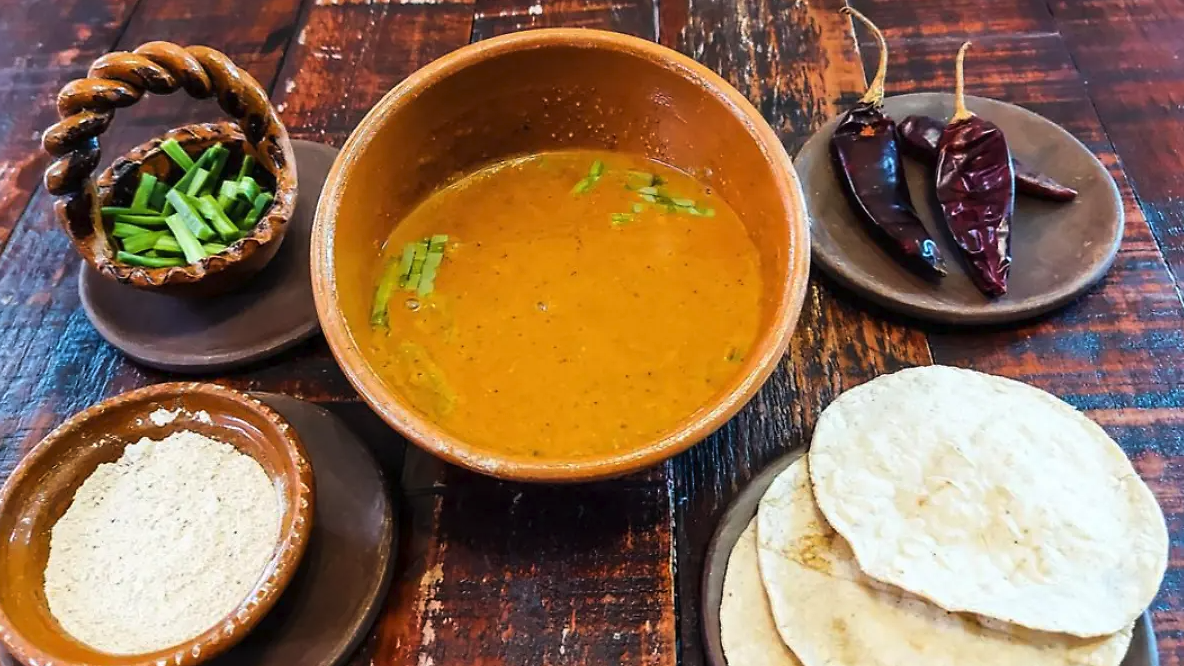
Photo: El Sol de México
Tlatalpas
A thick, ancestral bean soup seasoned with wild herbs and dried chilies.
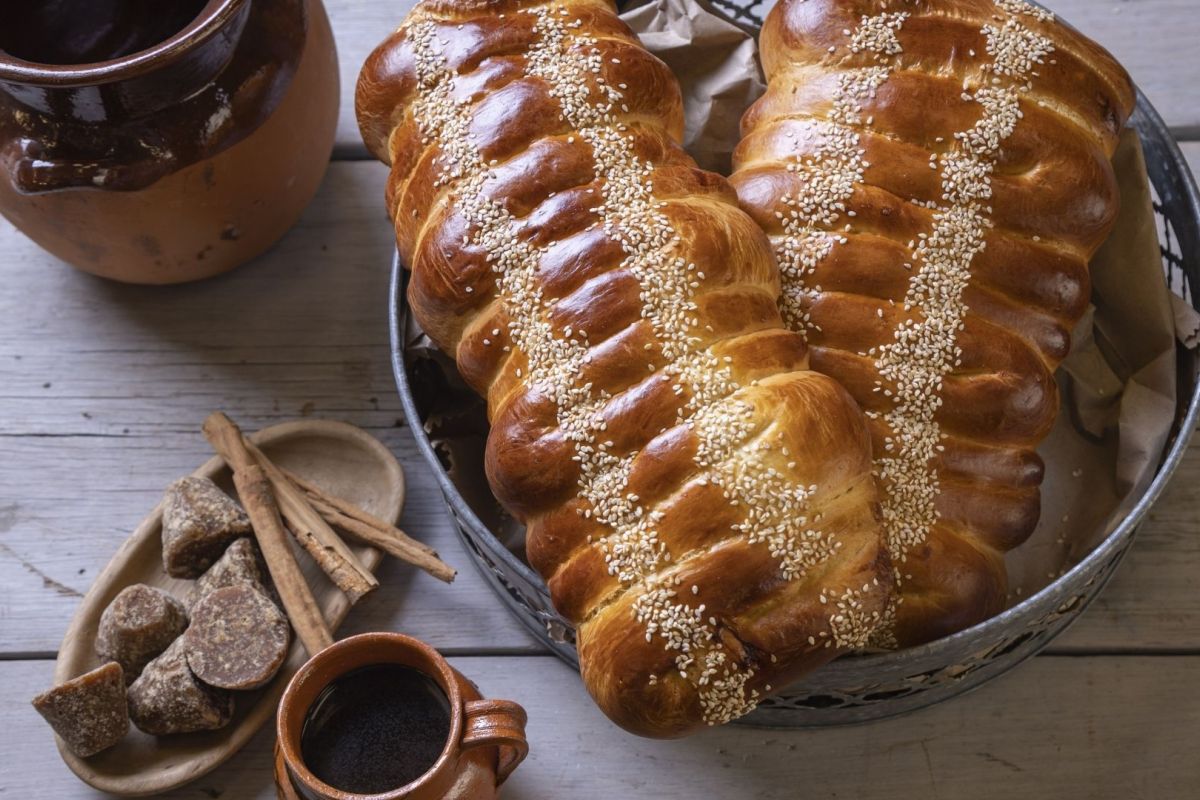
Photo: El Gourmet
Pan de Fiesta
Sweet, buttery bread decorated with colorful sugar, traditional in patron saint fairs.
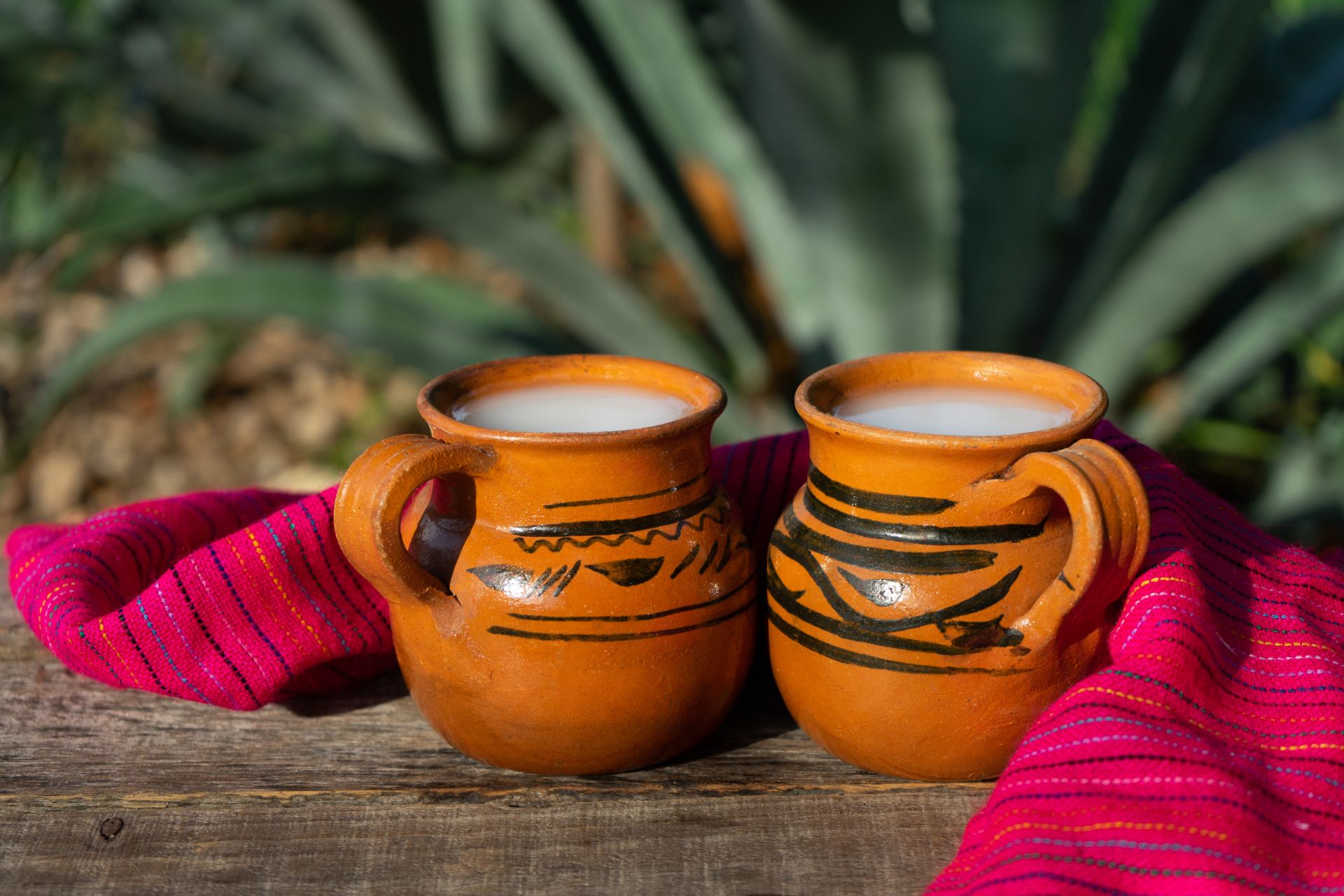
Photo: Revista Ambigu
Pulque
The sacred fermented agave drink is produced here with reverence.
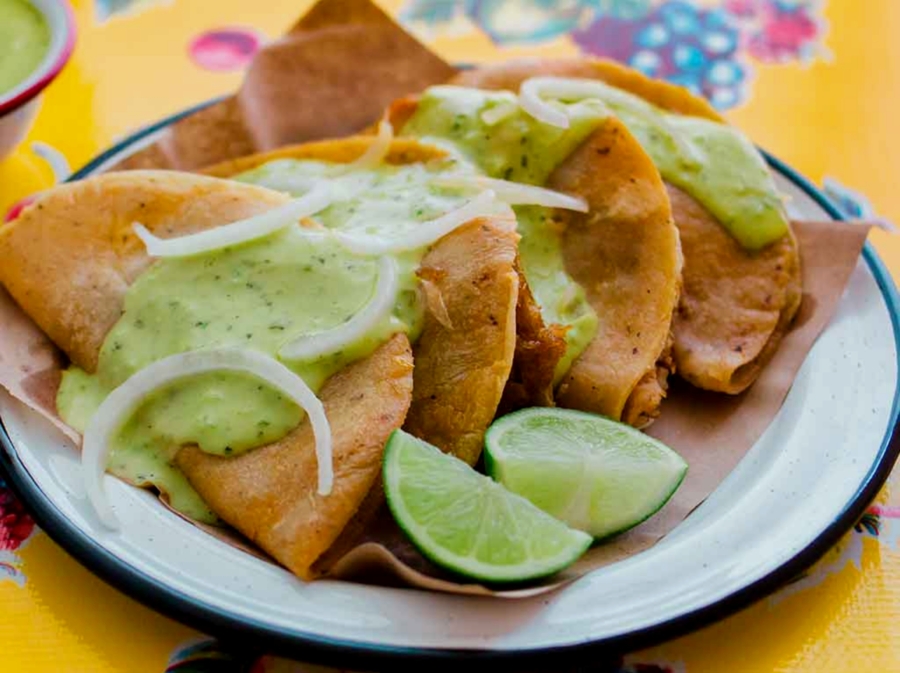
The Iconic Taco
The Local Bite
Taco de Canasta
"
The “Basket Taco” was born here (specifically in San Vicente Xiloxochitla). Steamed tacos filled with beans, chicharrón, or potatoes, carried in wicker baskets on bicycles. They are the ultimate Mexican street comfort food.